

Table of Contents
Your home’s exterior is its armor against the world and its first impression on the neighborhood. When it starts showing its age, when the paint fades, the wood splinters, or hairline cracks begin to spiderweb across the walls, the choices for a facelift can feel completely overwhelming. If you are currently evaluating when to replace siding to protect your home’s structural integrity from the elements, you have likely run headfirst into the ultimate residential debate: stucco vs siding.
These two materials dominate the housing market across the country, but they are fundamentally different in how they are manufactured, applied, and maintained. Stucco gives a seamless, monolithic, and earthy look that feels permanently grounded. Siding offers crisp architectural lines, incredible stylistic variety, and predictable, speedy installation. But which one is right for your specific home, your local climate, and your renovation budget?
This comprehensive guide breaks down everything from the raw materials and maintenance routines to the exact numbers. We will answer the burning financial questions like is stucco more expensive than siding, explore modern hybrid design trends, and give you the honest, expert advice you need to make the absolute smartest investment for your property.
Defining the Contenders
Before we dive into the math and the design trends, let’s clearly define the materials in the siding vs stucco matchup. They protect your home in very different ways.
Let’s know the basics first.
What is Stucco?
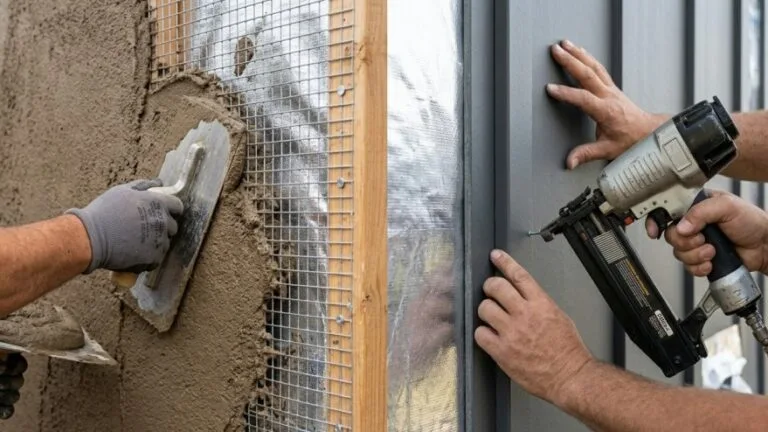
Stucco is a masonry product. It is a wet mixture of Portland cement, sand, limestone, and water. Contractors apply it by hand in multiple coats over a wire mesh or metal lath attached to your home’s exterior framing. Once it dries, it cures into a rock-hard, continuous shell. Because it is mixed and applied on-site, the quality heavily depends on the skill of the artisan wielding the trowel.
What is Siding?
Siding refers to manufactured dry boards, panels, or shingles that are mechanically fastened (nailed or screwed) to the exterior of a home. This is a massive category. It includes highly affordable plastics like vinyl, ultra-durable fiber cement (like James Hardie), and various engineered wood options. If you have ever dealt with the nightmare rotting issues of old hardboard siding from the 1990s or the peeling water damage of outdated wood panels like t one eleven siding, you know firsthand that picking a modern, water-resistant siding material is absolutely crucial to avoiding future headaches.
Cost Comparisons of Siding and Stucco
When homeowners start planning a massive exterior renovation, the budget immediately takes center stage. The most frequent questions we get from our clients revolve around the price tag. People want to know: is stucco cheaper than siding, or alternatively, is siding cheaper than stucco?
Let’s cut right to the chase. Is stucco expensive? Yes. In almost all residential scenarios, traditional cement stucco will cost more upfront than your standard siding options. The materials themselves (sand, cement, water) are incredibly cheap. What you are paying for is the intensive manual labor. A crew has to apply a scratch coat, a brown coat, and a finish coat by hand, waiting for curing times in between.
1. Vinyl Siding Costs vs Stucco
Let’s look closely at the cost of stucco vs vinyl siding. Vinyl is the undisputed king of affordability in the exterior market. The plastic materials are inexpensive to manufacture, lightweight to ship, and very fast to install because they simply lock together and nail into the studs.
Therefore, if you are asking our team is stucco cheaper than vinyl siding, the answer is a resounding no. Vinyl siding typically runs between $4.50 and $8.50 per square foot installed. On the flip side, the average stucco siding cost usually ranges from $7.00 to $12.00 per square foot for a traditional hard-coat system. If you upgrade to a synthetic EIFS (Exterior Insulation and Finish System) which includes thick foam insulation boards underneath, the price can easily push toward $15.00 to $18.00 per square foot. When you put stucco versus vinyl siding head-to-head on a spreadsheet, vinyl will save you thousands of dollars initially.
2. Fiber Cement Costs vs Stucco
But what about the heavy hitters in the premium market? Let’s evaluate the cost of hardie board vs stucco. Hardie board (fiber cement) is a high-end siding option made of cement, sand, and cellulose fibers. It is incredibly heavy and requires specialized tools to cut and install safely.
When comparing stucco vs cement siding, the costs are actually quite competitive. Fiber cement installation generally ranges from $6.00 to $11.00 per square foot. While fiber cement is labor-intensive compared to vinyl, it still usually edges out stucco as the slightly more affordable option because it doesn’t require the multi-day curing processes of wet masonry. So, when looking at stucco versus siding from a purely financial perspective, siding generally wins the initial budget battle.
Durability and Maintenance Comparison
Upfront price isn’t everything. To determine if stucco is better than siding for your long-term peace of mind, you have to look closely at the stucco siding pros and cons regarding how they survive the elements.
The Case for Stucco
- Incredible Longevity: A well-maintained, professionally installed stucco exterior can easily last 50 to 100 years. It turns your home into a fortress.
- Fire Resistance: It is essentially a thick layer of rock wrapping your home. This makes it a fantastic, safe choice for homeowners living in wildfire-prone areas.
- Energy Efficiency: The dense mass of the cement provides excellent insulation. It keeps homes cooler in the blistering summer heat, which is why it is so popular in the Southwest and inland California.
The Case Against Stucco
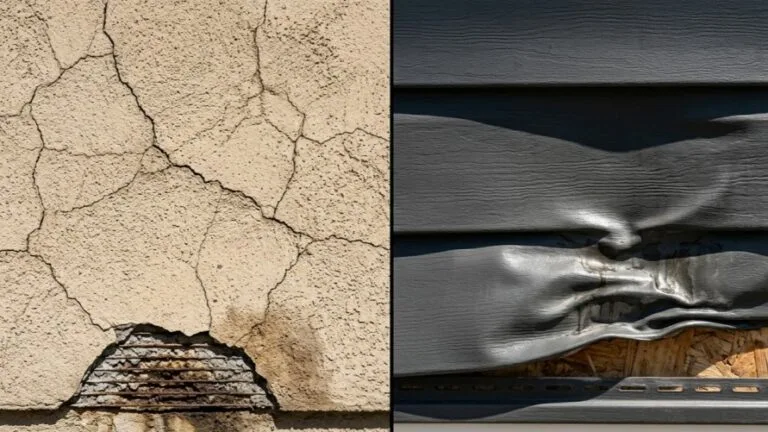
- Climate Sensitivity: Stucco absorbs moisture. If you live in a region with heavy rain followed by freezing temperatures, the water inside the stucco expands as it turns to ice, causing catastrophic cracking and flaking (spalling).
- High Maintenance Vigilance: Houses settle. The ground moves. Because stucco is a rigid shell, it will eventually develop hairline cracks. You must inspect and seal these cracks with masonry caulk immediately. If you don’t, water will intrude behind the shell and rot your wooden wall framing out of sight.
The Case for Siding
- Structural Flexibility: Siding, whether vinyl, wood, or fiber cement, is installed in overlapping pieces. This allows the exterior to flex, expand, and contract with ground movement and temperature fluctuations without cracking.
- Moisture Management: Modern fiber cement and vinyl shed water brilliantly. They are designed as “rainscreens” that allow moisture to escape rather than trapping it against the house.
When weighing stucco or vinyl siding for a busy family, you have to balance the upfront cost with your willingness to do chores. Vinyl siding or stucco might seem like a tough choice aesthetically, but if you want zero maintenance (no painting, no patching, just an occasional power wash), vinyl takes the crown. However, if you want a premium, custom-tinted, high-end feel that can last a century, stucco or premium fiber cement are the superior choices.
Design and Aesthetics
The visual impact of your exterior choice cannot be overstated. It defines the character of the property. When comparing stucco siding vs vinyl siding, the aesthetics are worlds apart.
Stucco provides a smooth, continuous, Mediterranean or Southwestern vibe. It lacks seams, giving the house a solid, grounded appearance that looks highly custom.
Siding provides texture, shadow lines, and architectural direction. Are you aiming for the highly popular modern farmhouse look? You will want to consider vertical versus horizontal siding layouts. Board-and-batten siding (a vertical application) forces the eye upward, making a single-story home look significantly taller and more contemporary. This is a visual trick you simply cannot achieve with a flat stucco wall.
Color trends also play a massive role in your material choice. Right now, one of the boldest trends in exterior design is dark, moody colors like charcoal, navy, and true black. If you are obsessed with the look of houses with black siding, you must pick the right material. Black paint absorbs massive amounts of solar heat. Standard builder-grade vinyl can literally warp and melt under this intense thermal load. Stucco can also struggle, as the extreme heat causes the underlying structure to expand, leading to cracks. Premium fiber cement siding is typically the safest, most stable bet for holding dark colors without suffering structural failure.
What if you want to elevate the home even further into the luxury tier? A very popular remodeling tactic is to mix materials. You might choose to replace siding with brick or natural stone veneer on the lower third of the house (creating a wainscot effect) and use sleek fiber cement lap siding on the top portion.
The Best of Both Worlds? Mixing Materials
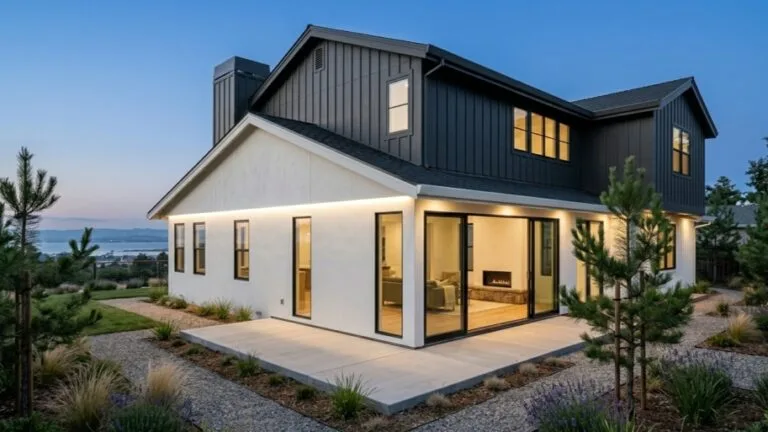
You don’t necessarily have to choose one over the other. A blended stucco and siding house is incredibly common in modern, high-end architecture. Combining stucco and siding adds incredible visual depth and breaks up large, boring exterior walls.
Often, architectural designers will use smooth stucco on the main body of the first floor for that solid, insulated feel, and textured fiber cement siding on the second floor, the gables, dormers, or architectural bump-outs. This contrast between the smooth earthiness of the masonry and the crisp, linear geometry of the siding creates stunning curb appeal.
Siding Over Stucco
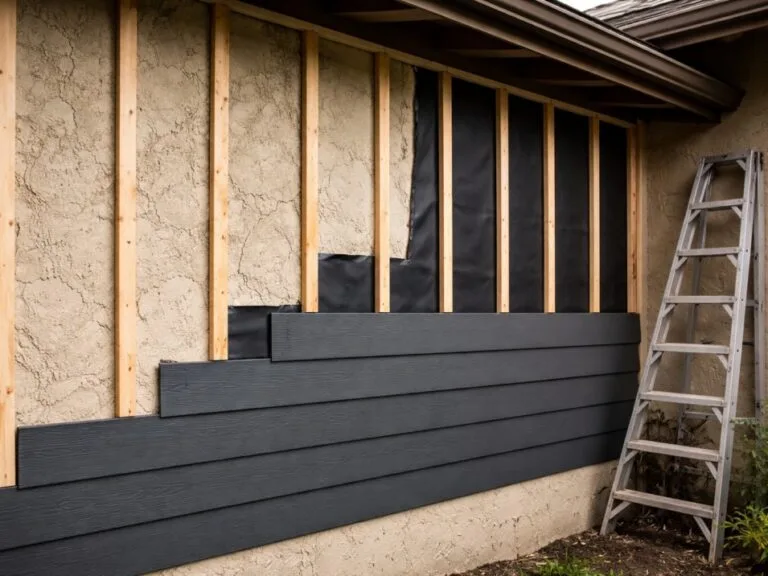
But what if you bought an older house with failing, cracked stucco, and you want out of the maintenance loop entirely? We constantly get asked by frustrated homeowners: how much does it cost to put siding over stucco?
Tearing off old wire-lath stucco is an incredibly messy, physically exhausting, and expensive demolition nightmare. The good news is that if the wall underneath is structurally sound, you can often install new siding directly over the old stucco.
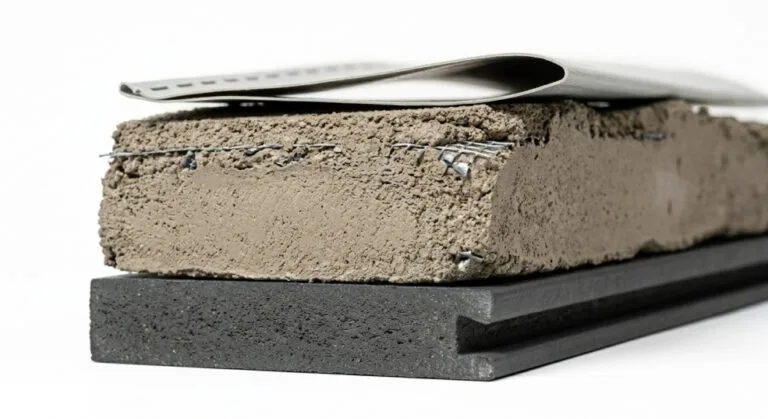
The process involves attaching vertical wood furring strips through the existing stucco deep into the home’s wall studs, creating a flat, secure wooden grid. Then, a new high-quality moisture barrier is applied over the grid, and the new siding is attached to the furring strips. This retrofit generally costs between $5.00 and $10.00 per square foot (for the labor and materials like vinyl or fiber cement), saving you thousands of dollars in demolition labor and heavy dumpster disposal fees. When evaluating the overall budget for a remodel, going over the old material is a massive game-changer.
The Logistics of Exterior Replacement
Whether you choose a sleek new fiber cement profile or decide to repair and re-coat your classic stucco, a major exterior overhaul involves some red tape and careful planning.
A question we hear almost weekly from clients is: do I need a permit for siding replacement? In almost every city and county jurisdiction, the answer is an absolute yes. Your exterior cladding is a critical part of the home’s weatherproofing, structural integrity, and energy efficiency. The city building inspector needs to physically look at the moisture barrier (house wrap) and the metal flashing around your windows before the new exterior goes up. This ensures your home won’t suffer from hidden water damage or mold growth inside the walls down the line. Skipping the permit to save a few bucks is never worth the risk.
Finally, because this is one of the largest financial investments you will make in your property, hiring the right crew is paramount. Knowing exactly what questions to ask a siding contractor during the interview process will save you from a botched, leaky job. Ask them about their specific experience with the material you chose. A contractor whose crew is amazing at hanging vinyl panels very fast might not have the meticulous masonry skills required for a flawless, waterproof stucco finish, and vice versa.
The Final Words
Ultimately, the winner of the great exterior debate comes down to three things: your budget, your local climate, and your personal architectural style.
Stucco offers a timeless, rock-solid exterior with fantastic insulation properties, but it demands a higher upfront budget and a watchful, proactive eye for sealing cracks. Modern siding offers unbeatable design versatility, more predictable costs, and zero-maintenance options like vinyl that perfectly fit our busy modern lives.
Don’t let an aging, failing exterior drag down your home’s curb appeal or, worse, put your underlying structural framing at risk of dry rot.
Ready to explore your exterior options with a dedicated team that knows Northern California homes inside and out? Contact Sidex, your premier house siding contractors, for a completely free, honest consultation today. Let’s build an exterior you will love coming home to for decades to come.