


Table of Contents
You have finally decided to pull the trigger. The old boards are warping, the paint is peeling, and you are ready to give your home the facelift it deserves. You’ve picked the color, hired the crew, and are dreaming of that fresh curb appeal. But then a neighbor asks the question that brings the whole project to a screeching halt:
“Did you pull a permit for that?”
It is the question every homeowner dreads. Dealing with the city building department feels like a headache you didn’t sign up for. Is it really necessary? Is it just a money grab? Or is it a critical step to protect your investment?
As siding and deck contractors who have navigated thousands of projects across Northern California, we are here to give you the honest truth. If you are currently evaluating when to replace siding to protect your home from structural damage, understanding the legal requirements is just as important as picking the right color.
The short answer is: Yes, you almost certainly need a permit.
In this guide, we will break down exactly why you need a permit for siding replacement in your specific situation, what happens if you skip it, and why that little piece of paper might save you thousands of dollars down the road.
Do You Need a Permit to Replace Siding?
If you are stripping your house down to the sheathing and installing new material, the answer is a hard yes.
Siding is not just “makeup” for your house; it is the protective skin. It keeps water out, keeps heat in, and protects the structural framing from rot. Because it serves a structural and weatherproofing function, cities regulate it strictly.
Most municipalities consider siding replacement a “structural alteration” because it involves:
- Exposing the moisture barrier (house wrap).
- Flashing around windows and doors (the #1 source of leaks).
- Insulation and energy efficiency (Title 24 compliance in California).
However, if you are just replacing one damaged board that the dog chewed, you might be in the clear.
When Do You Need a Construction Permit? (The Checklist)
Not every hammer swing requires city approval. To determine if you need a construction permit, look at the scope of your project.
1. Full Replacement (Permit Required)
If you are re-siding a whole wall or the entire house, you need a permit for siding. The city wants to inspect the waterproofing layer before you cover it up with new vinyl or fiber cement. They need to verify that your contractor isn’t trapping moisture against your framing.
2. Changing Materials (Permit Required)
Are you making a major design change, perhaps debating stucco vs siding? Or replacing old wood with modern fiber cement? This often changes the weight load on your walls or the fire rating of your exterior. Building departments require a permit to ensure the new material is installed according to the manufacturer’s specifications.
3. Structural Repairs (Permit Required)
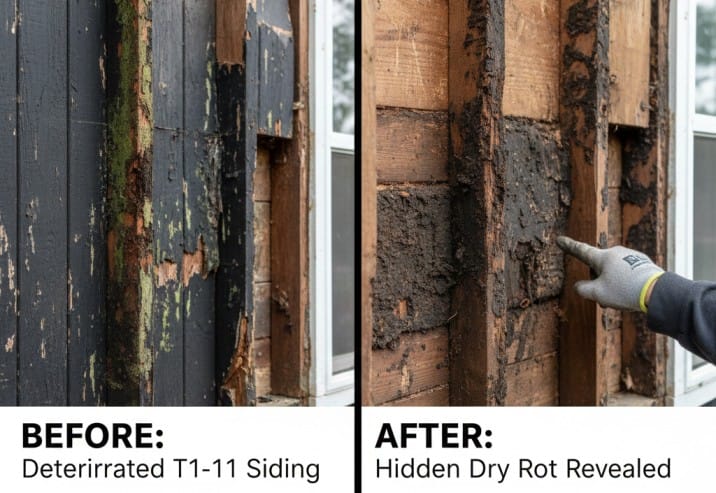
If you tear off your old T1-11 siding and discover dry rot in the studs underneath, you are now doing structural work. Any time you touch the “bones” of the house, permits needed to build a house or repair it come into play.
4. "Cosmetic" Repairs (Usually No Permit)
If you are painting your siding, or swapping out less than 100 square feet of hardboard siding that got water damaged, this is often considered “maintenance.” Most cities do not require a permit for minor repairs that don’t expose the underlying structure.
Note: Always check your local city website. Some strict jurisdictions require permits for ANY exterior work.
The Risks: Why Not Just Skip It?
We get it. Permits cost money (usually $200–$600 depending on your home’s value) and take time. It is tempting to just do the work on a Saturday and hope no one notices.
But asking if you need permit approval isn’t just about following rules, it’s about protecting your wallet. Here is what happens if you get caught working without one:
1. The "Stop Work" Order
If a city inspector drives by, or a neighbor reports you, the city will slap a bright red “Stop Work” order on your front door. All construction must cease immediately. You will then have to pay double or triple fees to get a retroactive permit, and the project could be delayed for weeks.
2. The "Tear Down" Nightmare
This is the worst-case scenario. If you install new siding without an inspection, the city has no proof that you installed the flashing or house wrap correctly. They can legally force you to tear off the new siding so they can inspect the waterproofing underneath. You would have to buy materials and pay for labor twice.
3. Insurance Denials
Imagine a storm blows through next year and water leaks into your walls, causing mold. You file an insurance claim. The adjuster checks city records, sees no permit for the siding work, and denies your claim on the grounds of “unpermitted work.” You are now on the hook for the entire repair bill.
4. Resale Roadblocks
When you sell your home, you must disclose renovations. Smart buyers (and their inspectors) will ask to see permits for major work like siding. If you can’t produce them, the buyer may demand a lower price or walk away entirely, fearing hidden defects.
What Inspectors Are Actually Looking For
When you ask about a construction permit, you are really asking: “What does the city care about?” They aren’t judging your color choice (unless you live in an HOA). They are looking for three specific things:
1. Water Management (Flashing)
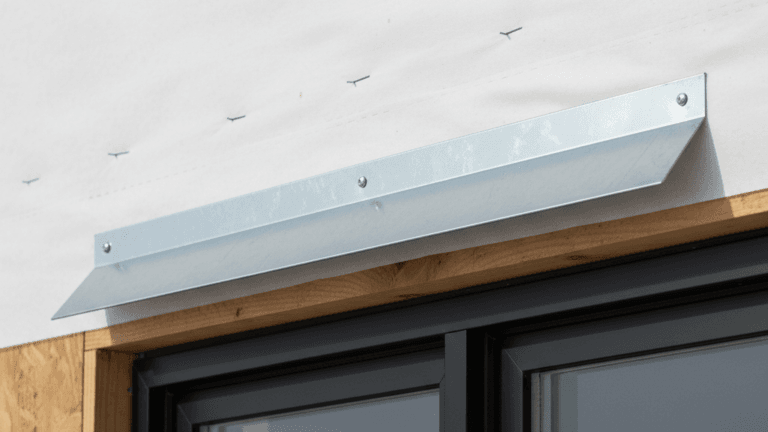
Water is the enemy. The inspector wants to see that you have properly installed metal flashing above windows (drip caps) and integrated the house wrap correctly. This ensures that when it rains, water flows over the materials, not behind them.
2. Energy Efficiency (Title 24)
In states like California, siding replacement is a trigger for energy upgrades. You may be required to add rigid foam insulation under the new siding to meet modern R-value standards. A permit ensures you aren’t skipping this energy-saving step.
3. Fire Safety (WUI Zones)
If you live in a Wildland-Urban Interface (WUI) zone (common in the Oakland Hills, Marin, or Santa Cruz), you are legally required to use fire-resistant materials. The inspector will verify that your new siding meets strict ignition-resistant standards to protect your home from wildfires.
The Permit Process: Step-by-Step
Don’t be intimidated. Here is how the process actually works for a standard siding replacement:
- Application: You (or your contractor) submit a simple plan to the building department. This usually describes the materials being used (e.g., “Remove existing wood siding, install James Hardie lap siding”).
- Review & Fee: The city reviews the plan (often over the counter the same day) and calculates the fee based on the project valuation.
- The “Sheathing” Inspection: This is the most critical step. Once the old siding is torn off and the new house wrap/insulation is up, work stops. The inspector comes out to check the waterproofing before the new siding goes on.
- Final Inspection: Once the job is done, the inspector returns to check the finish details, caulking, and house numbers.
Who Pulls the Permit: You or the Contractor?
This is one of the most important questions to ask a siding contractor during the hiring process.
Ideally, the contractor should pull the permit.
Why? Because the person who signs the permit is the one legally responsible for the work.
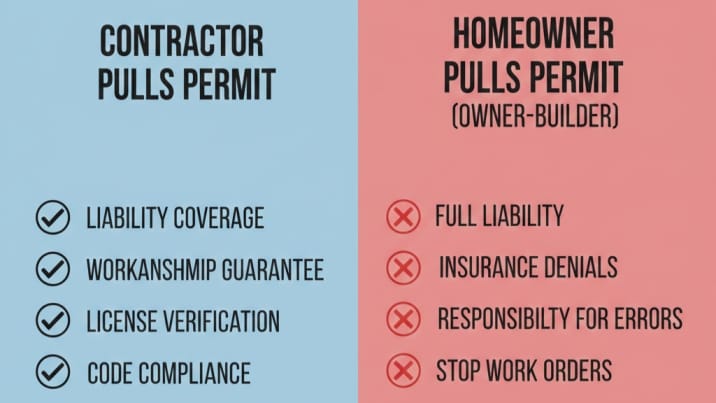
- If the contractor pulls it: They are verifying they are licensed and insured. If the work fails inspection, they are responsible for fixing it.
- If you pull it (Owner-Builder): You are taking full liability. If a worker gets hurt or the work is non-compliant, it falls entirely on your shoulders.
Red Flag: If a contractor asks you to pull the permit because “it’s faster” or “cheaper,” run. It usually means they are unlicensed, uninsured, or have a bad standing with the city.
The Bottom Line
So, do you need a permit to replace siding? Yes. Is it a hassle? Sometimes. Is it worth it? Absolutely.
A permit is your guarantee that the work was done right. It is your proof to insurance companies and future buyers that your home is safe, watertight, and energy-efficient. Don’t risk your home’s value to save a few hundred dollars and a trip to City Hall.
Need a pro who handles the paperwork for you?
At Sidex, we handle the entire permitting process, from application to final inspection, so you never have to worry about code compliance. Contact Sidex, your trusted contractors for home siding repair, today for a free consultation. Let’s do your project the right way.