

Table of Contents
You have stared at the front of your house for years, wishing for a change. Maybe the current exterior is fading, cracking, or simply looking a bit too “cookie-cutter” for your taste. There is something undeniably timeless, stately, and permanent about a brick home. It commands presence on the street. It shrugs off severe weather. It never needs to be painted.
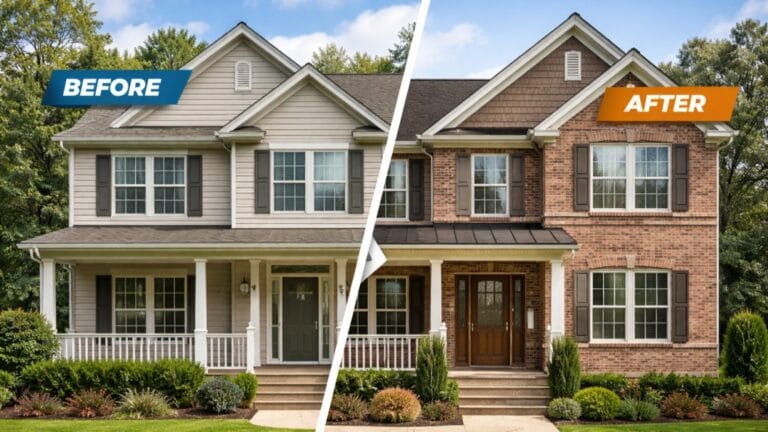
If you are currently evaluating when to replace siding to protect your home’s structural framing, you might find yourself dreaming bigger than just another layer of plastic or wood. You might be asking a massive structural question: can you replace siding with brick?
The short answer is yes, absolutely. But it is not quite as simple as pulling off a board and slapping on a brick. Transitioning from lightweight siding to heavy masonry is a major architectural transformation that involves foundation requirements, moisture management, and a significant budget.
In this comprehensive guide, we are going to break down everything you need to know about this premium upgrade. We will explore the structural realities of how to change siding to brick, answer the reverse questions for those looking to modernize an old brick exterior, and dive deep into the real-world financials so you can plan your ultimate exterior remodel.
The Big Question: Can You Change Vinyl Siding to Brick?
For decades, vinyl has been the default choice for quick, affordable home construction. But as homes age, owners often want a more premium look. So, can you replace vinyl siding with brick?
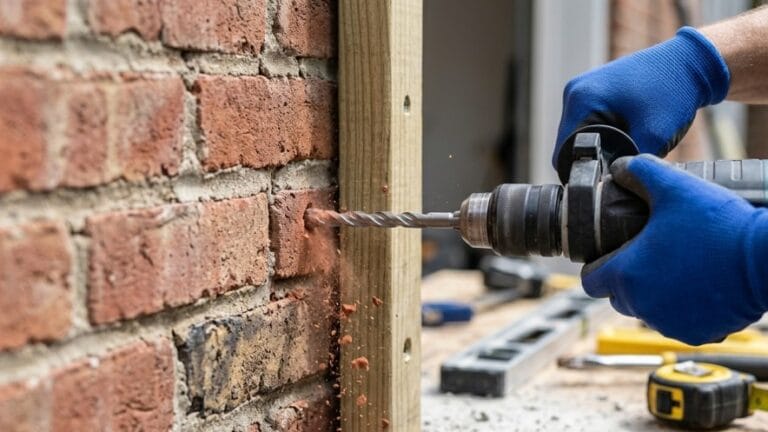
Yes, but you have to understand the difference in weight. Vinyl siding hangs from your home’s wooden wall studs; it is incredibly lightweight. Brick, on the other hand, is incredibly heavy. You cannot simply hang full-sized bricks on a standard wooden wall frame.
When you want to replace vinyl siding with brick, you have two main structural options:
Option 1: Traditional Brick Veneer
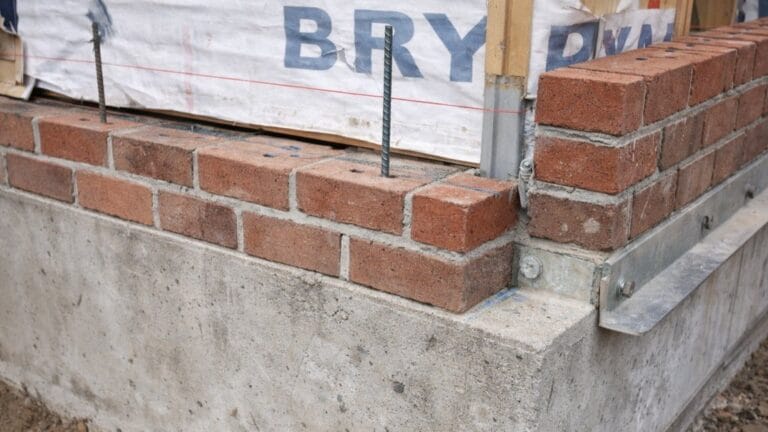
When people think of a “brick house,” they are usually thinking of traditional brick veneer. These are full-sized, heavy clay bricks stacked with mortar. To support thousands of pounds of masonry, your home’s concrete foundation must have a “brick ledge”—a widening of the foundation that extends outward to give the bricks a place to rest.
If your home was originally built for siding, it likely does not have this ledge. To replace siding with brick using traditional masonry, a contractor must pour a new concrete footing or bolt a heavy-duty steel angle iron (a relief angle) to your foundation to support the weight. This is a massive, highly skilled, and expensive structural undertaking.
Option 2: Thin Brick Veneer
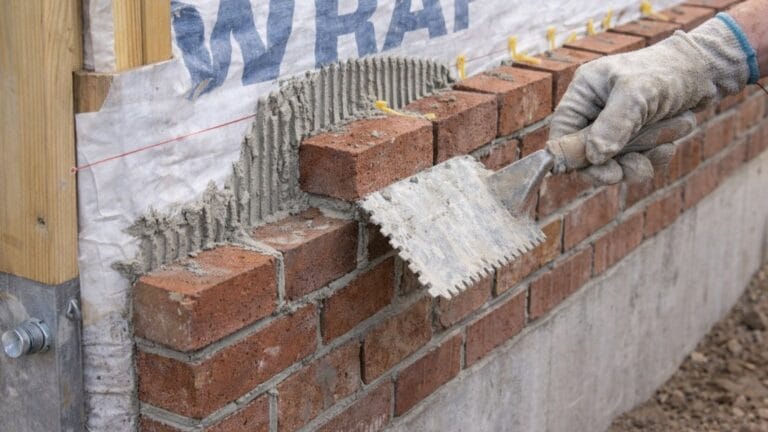
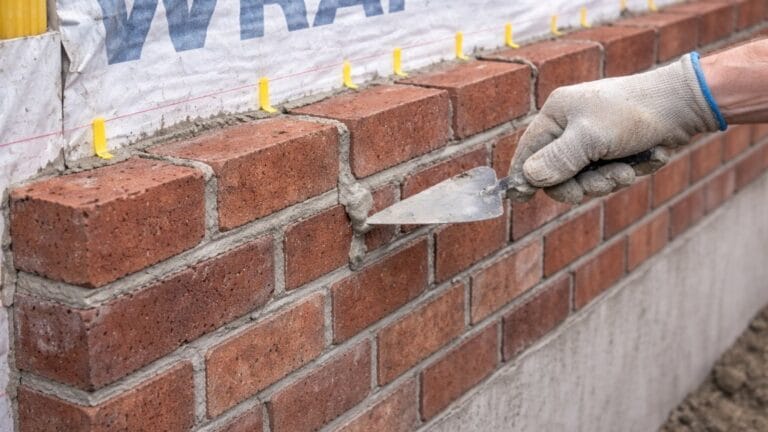
If you are dead-set on changing vinyl siding to brick but don’t want to pour new concrete footings, “thin brick” is your best friend. Thin bricks are real clay bricks that have been sliced thin (about half an inch to an inch thick). They look and feel exactly like traditional brick, but they are lightweight enough to be applied directly to a prepared wall system using specialized adhesives and mortar, much like heavy tile. This is the most popular method for retrofitting modern homes.
The Myth of "Brick Over Siding"
Homeowners looking to save money on demolition often ask: can you put brick over siding? The answer is a definitive no. If you search for ways to install brick over siding, you will quickly learn that it violates building codes and basic physics. Old siding is not a stable substrate. Furthermore, trapping old siding behind masonry creates a nightmare scenario where moisture breeds hidden mold and dry rot. You must completely strip the old siding, whether it is brittle vinyl, rotting hardboard siding, or deteriorating t one eleven siding, down to the bare wooden sheathing before any masonry work can begin.
The Financial Breakdown
Let’s talk numbers. Brick is a premium material, and masonry is a highly specialized trade. When clients ask us, how much does it cost to replace siding with brick, we always advise them to prepare for a premium price tag compared to standard exterior materials.
How Much Does Brick Siding Cost?
The materials themselves are only part of the equation; the intensive labor is where the true cost lies.
- Traditional Brick Veneer: If you have the foundation to support it, traditional brick typically ranges from $12 to $22 per square foot installed.
- Thin Brick Veneer: Because it doesn’t require massive foundation modifications, thin brick is slightly more accessible, usually ranging from $10 to $18 per square foot installed.
Cost to Change Siding to Brick
So, how much does it cost to brick a house completely? Let’s assume you have an average-sized two-story home with roughly 2,000 square feet of exterior wall space.
- If you choose to replace siding with brick using thin veneer, the total project could range from $20,000 to $36,000.
- If you need to pour a new foundation ledge for traditional heavy brick, that same 2,000-square-foot home could see the total cost skyrocket to $30,000 to $50,000+.
While this upfront cost is steep, it is important to remember that brick requires virtually zero maintenance. You will never need to paint it, it won’t warp in the sun, and it doesn’t rot.
Does Brick Add Value to a Home?
When you are spending that much money on an exterior, you want to know you will see it again when you sell. Does brick add value to a home?
Absolutely. Real estate professionals universally agree that brick homes command higher asking prices and sell faster than identical homes with standard siding. Buyers love the perceived permanence, the lack of maintenance, and the classic curb appeal.
Furthermore, brick adds “invisible” value to your daily life:
- Lower Insurance Premiums: Brick is fire-resistant and stands up to high winds and hail much better than plastic siding. Many insurance companies offer significant discounts for masonry homes.
- Thermal Mass: Brick absorbs heat during the day and releases it slowly at night. This thermal mass helps regulate your home’s interior temperature, lowering your heating and cooling bills.
If you are debating between premium upgrades, perhaps analyzing the long-term ROI of stucco vs siding or wondering if a brick facade is worth it, masonry almost always wins the durability and resale value contest.
Can You Install Siding Over Brick?
What if you are in the exact opposite situation? We frequently get calls from homeowners who bought an older home with crumbling, outdated, or just plain ugly brick, and they want to modernize it. They want to replace brick with siding.
This leads to a flurry of questions: can you put siding over brick? And if so, can you put siding over brick safely without causing moisture damage?
The answer is yes. You absolutely can install siding over brick, and it is actually much easier than going the other way. You don’t need to tear down the heavy masonry wall (which would be an incredibly expensive and messy demolition project).
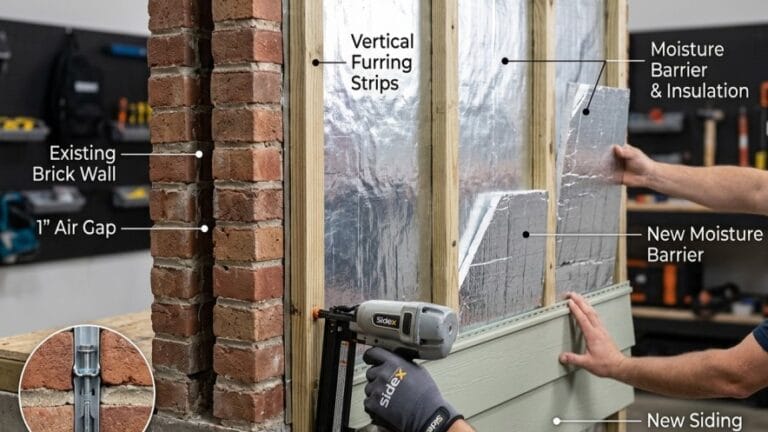
Instead, contractors use a technique called “furring.”
- We attach vertical wood strips (furring strips) directly to the existing brick using heavy-duty masonry anchors.
- We install a layer of rigid foam insulation between the strips to improve your home’s energy efficiency.
- We apply a modern, breathable house wrap over the grid.
- Finally, we nail the new siding—whether it’s vinyl, engineered wood, or fiber cement—directly to the furring strips.
This method gives you a brand-new, modern exterior without the demolition nightmare. It is highly popular for homeowners who want to transform a dated, 1970s red-brick ranch into a sleek, contemporary home.
Contemporary Design Trends
You don’t have to choose an “all or nothing” approach. One of the most popular and cost-effective ways to upgrade your exterior is to mix materials.
Rather than paying the massive cost to change siding to brick for the entire two-story house, many designers suggest using brick as an architectural accent.
- The Wainscot Effect: You can install brick on the lower three feet of your home’s exterior walls (known as a brick skirt or wainscot) and use modern fiber-cement lap siding on the top portion. This grounds the house visually and adds luxury without breaking the budget.
- Feature Walls: Use brick solely on the front facade of the house or wrap it around the entryway to create a grand focal point, while keeping high-quality siding on the sides and rear of the property.
When mixing materials, architectural lines matter. For the upper portion of the home, you might explore vertical versus horizontal siding layouts. Using a vertical “Board and Batten” siding profile above a solid brick base creates a stunning modern farmhouse aesthetic that is highly sought after in today’s real estate market.
Color play is also crucial. For example, pairing classic red brick with dark, moody exterior panels is a massive trend right now. If you love the dramatic look of houses with black siding, a brick base provides the perfect textural contrast to make those dark colors pop without feeling overwhelming.
The Logistics
Transitioning a home from lightweight cladding to heavy masonry is a complex construction project. It is not a weekend DIY job. Before you start tearing off boards, you must handle the red tape.
One of the most critical steps in the planning phase is asking: if you need a permit for siding replacement. When you are changing the exterior material from siding to brick (or vice versa), the answer is a non-negotiable yes. The city building department must verify that your foundation can support the new weight, that the new weather-resistant barrier (house wrap) is installed correctly to prevent trapped moisture, and that the window flashing integrates perfectly with the new masonry depth. Skipping the permit process on a structural change this large will almost certainly result in fines and major issues when you try to sell the property.
Furthermore, this transformation requires a specialized skill set. A contractor who is excellent at quickly snapping vinyl panels together might not have the meticulous, slow-paced masonry skills required to lay a flawless brick wall. When you are interviewing potential partners for this massive upgrade, knowing exactly what questions to ask a siding contractor is vital. You must ask about their specific experience with structural brick retrofits, how they handle steel relief angles, and their protocols for mortar-netting and weep holes (which allow trapped water to escape from behind the brick).
The Bottom Line
Deciding to replace siding with brick is one of the boldest, most dramatic aesthetic changes you can make to a property. It takes a house that looks like every other build on the block and elevates it into a custom, permanent-feeling estate.
The initial cost for brick siding can be daunting. The structural preparation requires patience and a significant budget. But when you factor in the lifetime of zero maintenance, the increase in property value, the improved energy efficiency, and the undeniable curb appeal, brick consistently proves itself to be a top-tier investment.
Conversely, if you are staring at an aging, ugly masonry wall and want to breathe modern life into your property, knowing that you can safely and beautifully install new siding over that old brick opens up a world of design possibilities.
Your home’s exterior is too important to leave to chance. Whether you want to wrap your home in the timeless strength of brick or modernize an old masonry wall with sleek new siding, you need a team that understands the structural science behind the aesthetics.
Ready to completely transform your home’s curb appeal? Stop dreaming about an exterior upgrade and start planning it. Contact Sidex, your premier house siding contractors, for an expert consultation today. Let’s build a beautiful, lasting exterior that you will be proud of for decades.