

Table of Contents
Making the call to rip off your home’s aging exterior is terrifying and exciting all at once. You want that gorgeous, magazine-worthy curb appeal, but you also need something that won’t rot away after three rainy seasons. As you hunt for the best siding for a house, you will inevitably stumble upon a product that promises the stunning look of real timber without the grueling upkeep.
We are talking about engineered wood siding.
Over the last two decades, this hybrid material has taken the residential construction market by storm. It looks fantastic, feels remarkably sturdy, and builders genuinely love working with it. But before you write a massive check to wrap your biggest investment in it, you need the honest truth about how it actually performs in the real world.
In this guide, we are diving deep into the pros and cons of engineered wood siding, evaluating its true cost, and comparing it against the heavy hitters of the exterior industry. Let’s explore exactly what this material is so you can make the absolute smartest choice for your property.
What is Engineered Wood Siding?
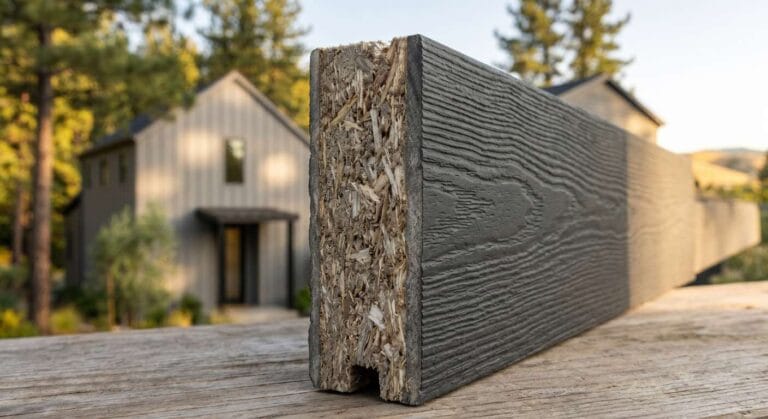
To understand how it performs, you have to know exactly what engineered wood siding is like under the paint. Unlike traditional lumber sliced directly from a tree, engineered wood siding is a highly manufactured, technologically advanced product.
Companies take raw wood strands, fibers, and chips, and bond them together under extreme pressure using heavy-duty industrial resins, marine-grade waxes, and zinc borate. The result of this process is an engineered treated wood that is vastly more durable than raw pine or spruce. It is then stamped with a beautiful, deep cedar-grain texture and coated with a moisture-resistant overlay, creating siding that looks incredibly authentic from the curb but defends against the elements like a modern synthetic.
The Major Pros of Engineered Siding Options
Why are so many homeowners aggressively opting for this material over traditional cladding? The advantages are highly compelling.
1. Unmatched Curb Appeal
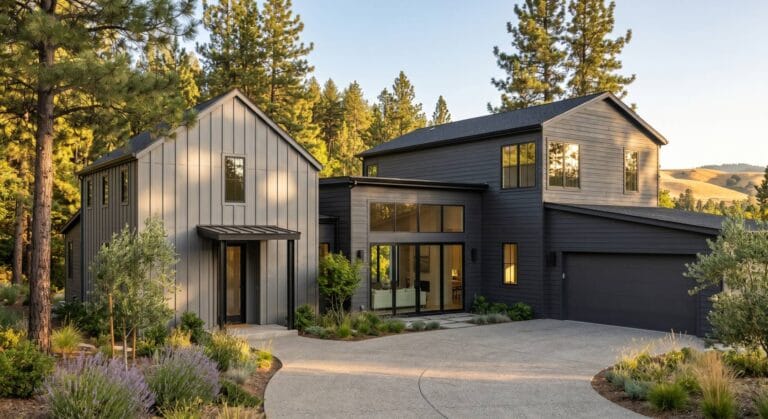
It simply looks incredible. Engineered wood siding flawlessly integrates with styles like lap siding for the classic horizontal look, or the board and batten siding style for that chic farmhouse vibe.
2. High Impact Resistance
Because of the intense pressure and binding agents used during manufacturing, engineered wood panels are incredibly strong. They can withstand wayward baseballs, severe hail, and flying storm debris far better than brittle plastics or soft cedar.
3. Workability for Installers
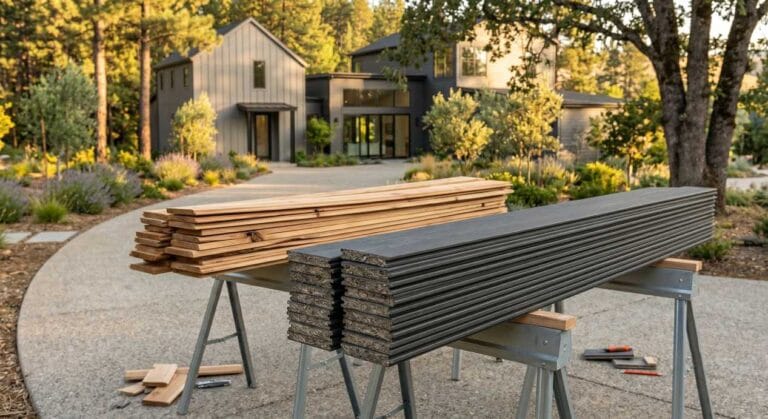
Contractors love this material. Unlike extremely heavy cement boards, engineered siding is lightweight and cuts easily with standard woodworking tools. This often translates to a faster, smoother installation process, which means fewer days of construction noise echoing through your house.
The Disadvantages of Engineered Wood
No building material is entirely flawless, and you must understand the disadvantages of engineered wood before making a final decision.
1. Moisture is Still the Enemy
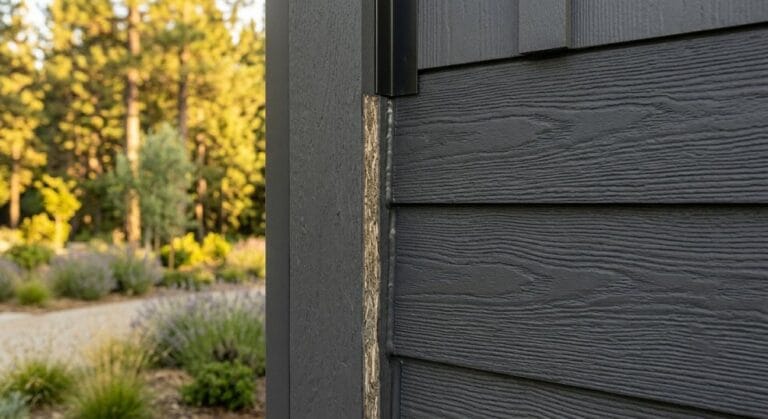
While the resins and waxes do a phenomenal job protecting the face of the boards, this is still fundamentally a wood-based product. If water finds a way into the raw, cut edges of the engineered wood siding, the material can swell, blister, and rot. Absolute perfection in caulking, painting cut edges, and flashing is mandatory during installation. A sloppy installer will ruin this siding in a matter of years.
2. Maintenance Requirements
While it requires significantly less exhaustive upkeep than raw timber, it isn’t a “set it and forget it” product like you might find with various types of composite siding. You will still need to inspect the caulking annually and eventually repaint the home to maintain its critical weather seal.
Engineered Wood Siding vs Fiber Cement
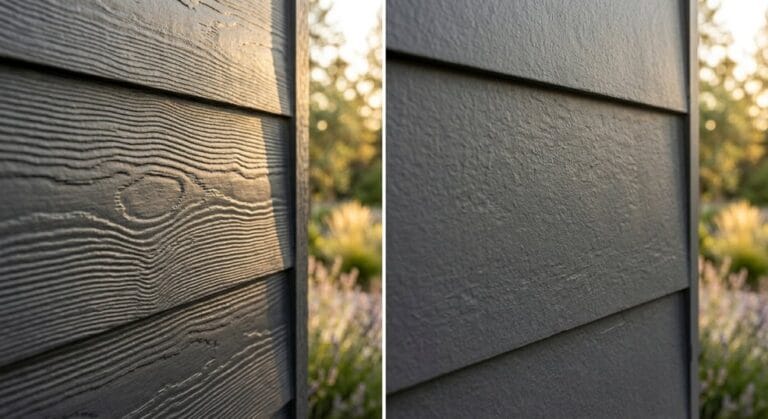
This is the ultimate, heavyweight debate in premium exterior remodels. Both offer phenomenal wood-look aesthetics, but they excel in entirely different areas.
If fire safety is your absolute primary concern, cement siding materials easily win. Since cement siding is made of sand and cement, they offer a non-combustible, fire resistant siding shield for your home’s framing. However, fiber cement is incredibly heavy, harder to install, and can occasionally crack upon severe, localized impact.
Conversely, the engineered wood siding is lighter, much more impact-resistant, and significantly easier to install. It lacks the total fireproof qualities of cement and requires stricter moisture management at the seams, but both materials take paint beautifully, whether you want a bold dark tone or a soft, breezy color like hardie light mist.
Engineered Wood Siding vs Natural Wood
How does it compare to the real thing? If you love the rustic, highly textured look of wooden shakes on a coastal or historic home, you have a major decision to make.
When weighing durability, cost and maintenance, engineered options are the clear, pragmatic winner for modern living. Real wood siding is undeniably breathtaking, but it demands constant scraping, staining, and hyper-vigilance against termites and woodpeckers. Engineered shakes deliver that exact same organic, textured curb appeal but actively utilize zinc borate to completely repel insects and fungal decay, giving you your weekends back.
Exploring Engineered Wood Siding Cost and Manufacturers
Budget is almost always the deciding factor in a major renovation. The cost for engineered siding sits comfortably in the mid-range of exterior materials.
It is generally more expensive than standard, builder-grade plastics. If you are on a tight budget, upgrading to insulated vinyl siding offers a cheaper path to energy efficiency.
However, the cost for engineered wood siding is often lower than premium fiber cement or exotic natural wood, both in raw material and the labor required to hang it. You can expect the price to be a solid, strategic middle ground, offering premium, authentic aesthetics without the absolute highest luxury price tag.
One of the most popular manufactured engineered wood siding is LP SmartSide, which completely dominates the market. They offer incredible, industry-leading multi-decade warranties that protect against rot and structural failure, provided the material is installed exactly to their strict specifications.
Is Engineered Wood Siding the Right Choice for Your Home?
Ultimately, choosing to wrap your home in engineered wood siding is about finding the perfect architectural middle ground. It offers the warmth, deep texture, and structural rigidity of natural wood, paired brilliantly with modern chemical engineering to resist rot and pests.
As long as you hire a meticulous, experienced siding contractor like Sidex – who strictly follows the installation guidelines for moisture protection – then this beautiful, highly durable cladding will protect and elevate your home’s curb appeal for decades to come.