

Table of Contents
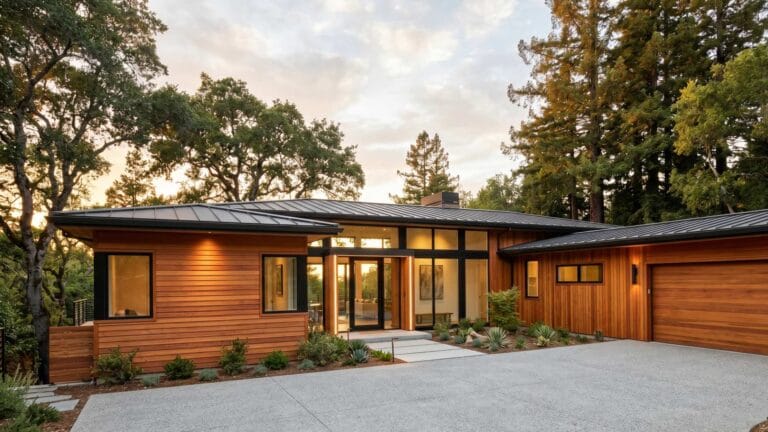
There is something undeniably magnetic about a home wrapped in natural wood. Long before plastic panels or cement boards dominated the market, builders relied on the rich, organic beauty of timber to protect and beautify homes. A classic wood siding house exudes a level of warmth, character, and architectural authenticity that modern synthetic materials spend millions of dollars trying to replicate.
If you are dreaming of a gorgeous house wood exterior and researching the best siding for a house, you need to know exactly what you are getting into. From choosing the right tree species to understanding the upkeep, this comprehensive guide will break down the various wood house siding types, explore the most popular profiles, and even offer some incredible modern alternatives if the maintenance reality feels like too much work.
The Timeless Appeal of a Wood Exterior Homes
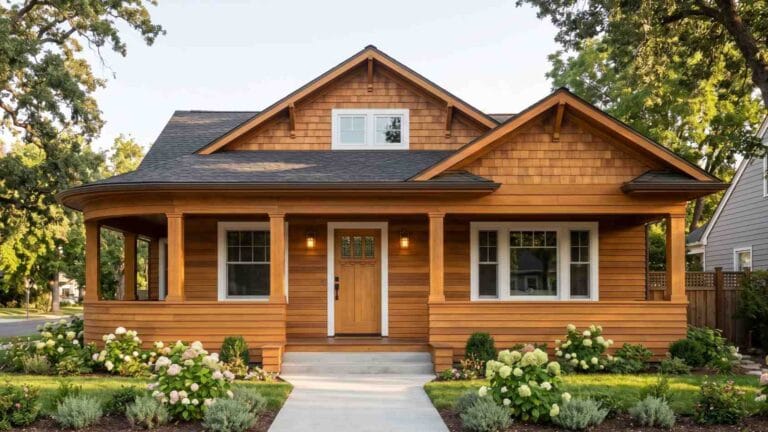
Why do we still obsess over houses with wood siding in an era of advanced plastics and composites? It all comes down to texture and tradition.
A house with wood feels grounded. It breathes. Whether you are restoring a century-old Craftsman bungalow or building a sleek, modern architectural retreat in the woods, real wood siding provides a bespoke, custom finish that instantly elevates the property’s value.
Furthermore, wooden sidings are incredibly versatile. You can paint them crisp white for a coastal vibe, stain them dark walnut for a moody aesthetic, or simply seal them with a clear coat to let the natural grain shine through.
Exploring Different Styles of Wood Siding
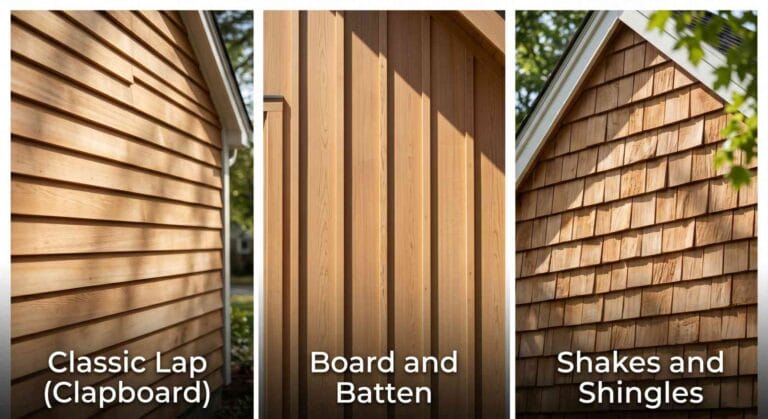
When you decide to put wood siding on a house, picking the material is only half the battle. You also have to choose the physical profile of the boards. The shape and orientation of the wood will completely define your home’s architectural identity. Here are the most popular wood siding styles you will encounter:
1. Classic Lap (Clapboard)
If you are currently researching and wondering exactly what lap siding is, it is the traditional horizontal profile you see on historic American homes. Long, flat boards are installed horizontally, with each board slightly overlapping the one below it to shed rainwater effectively. This is the most common layout for wood siding homes because it is relatively easy to install and offers a beautifully traditional look.
2. Board and Batten
For a more structural, vertical aesthetic, board and batten is the reigning champion. This style uses wide vertical boards separated by thin wooden strips (the battens) that cover the seams. If you dig into the details, you will see how this vertical orientation draws the eye upward, making single-story homes look much taller. It is the driving force behind today’s massive modern farmhouse trend.
3. Shakes and Shingles
If you love a rustic, textured look, wooden shakes or shingles are a stunning choice. Commonly cut from cedar, these small, overlapping pieces are often used on Cape Cod-style homes or as a beautiful accent in the upper gables of a wood siding home. Shakes are split by hand for a rougher, uneven texture, while shingles are sawn smooth for a more tailored appearance.
The Best Types of Exterior Wood Siding
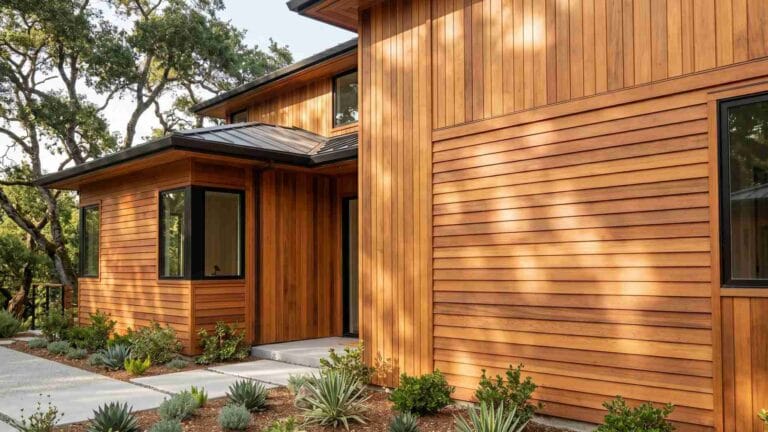
The types of wooden house siding available at your local lumber yard vary wildly in price, durability, and natural weather resistance, here are the top contenders:
1. Pine and Spruce
If you are looking for cost-effective wood siding for homes, softwoods like pine and spruce are usually the entry-level options. They take paint and stain exceptionally well. However, they lack natural rot resistance.
2. Cedar and Redwood
These are the gold standards of wood house siding. Cedar and redwood contain natural organic oils and tannins that make them highly resistant to moisture, decay, and wood-boring insects. They are structurally stable, meaning they are less likely to warp or cup on the wall. While they are more expensive upfront, their longevity makes them a far superior investment for a wood siding house.
3. Hardwood Siding (The Luxury Upgrade)
In recent years, architects have begun sourcing incredibly dense exotic woods for ultra-modern residential projects. Hardwood siding options like Ipe, Cumaru, or Tigerwood are heavily utilized for their breathtaking grain and rock-solid durability.
The Reality of Maintaining Houses with Wood Siding
We cannot talk about the beauty of a house wood exterior without having a very honest conversation about the upkeep. Wood is a living, breathing organic material. When exposed to harsh sun, driving rain, and freezing winters, it requires human intervention to survive.
If you commit to real wood siding, you are committing to a strict maintenance schedule:
- Frequent Inspections: You must walk the perimeter of your home annually, looking for peeling paint, soft spots, or signs of termite activity.
- Caulking and Sealing: Wood expands and contracts with the seasons. You will need to re-caulk seams and joints to prevent water intrusion.
- Repainting and Staining: Depending on your climate and the amount of direct sunlight your home receives, you will need to re-stain or repaint your exterior every 3 to 7 years.
Wood Look Siding Options: The Modern Alternatives
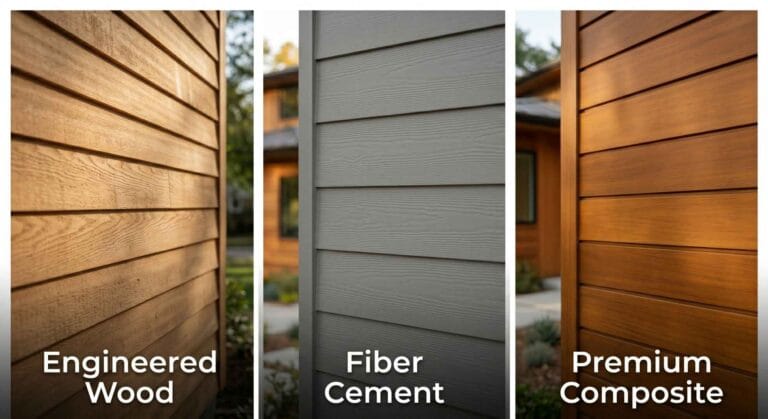
1. Engineered Wood Siding
This is the closest you can get to the real thing without the heavy maintenance. Engineered wood siding (like LP SmartSide) is made by combining real wood strands with advanced resins, waxes, and zinc borate. When weighing the engineered wood siding pros and cons, homeowners love that it looks exactly like real wood and is highly impact-resistant.
2. Fiber Cement
If you want an exterior that mimics wood grain perfectly but is impervious to fire and termites, you need to look into cement siding materials. Often referred to as cementitious board siding, products like James Hardie plank are cast in molds made from real cedar boards, offering an incredibly authentic texture. Because it is made from cement and sand, it will never rot, warp, or split.
3. Premium Composite
For the absolute lowest maintenance possible, exploring the different types of composite siding is a brilliant move. These modern panels blend wood fibers with synthetic polymers, creating a solid board that closely resembles painted wood but never actually requires a drop of paint. They are water-resistant, pest-proof, and designed to look flawless for decades.
The Bottom Line
Ultimately, deciding whether to install traditional wood siding comes down to how much you value authenticity versus convenience.
There is truly nothing that can 100% duplicate the organic, rich beauty of a genuine wood exterior siding. For purists who love the character of natural timber and are willing to put in the maintenance work, cedar, redwood, or premium hardwood siding will reward you with a breathtaking, timeless exterior.
However, if you want the visual charm of a classic house with wood but prefer to spend your weekends relaxing rather than scraping paint, today’s engineered wood like siding for houses provide phenomenal, worry-free alternatives.
Ready to transform your home’s exterior? Contact Sidex today for a free, comprehensive consultation. As your local experts in premium house siding, we will help you select, design, and install a beautiful, durable exterior that you will be proud of for decades to come.