

Table of Contents
Your home’s exterior takes a brutal beating every single day. From blistering summer sun to driving winter rain, the walls protecting your family are locked in a relentless battle with the elements. If you are tired of watching your house lose that fight, and you are actively hunting for the best siding for a house, you have likely been flooded with endless, confusing options ranging from cheap plastics to highly expensive natural woods. However, in the modern residential construction industry, one specific material consistently rises to the top for its uncompromising durability, remarkable fire safety, and stunning aesthetic flexibility.
We are talking about fiber cement siding.
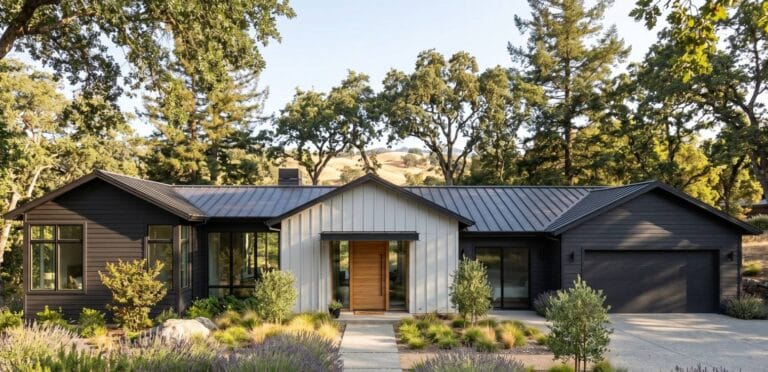
Often referred to colloquially as concrete siding or cement fiber siding, this heavyweight champion of the exterior cladding world has completely revolutionized residential architecture. It offers the classic, warm, and highly textured look of painted natural wood without any of the rotting, warping, or pest infestation issues that consistently plague organic materials.
If you find yourself looking at your aging exterior and asking, “what cement siding is, and is it truly worth the investment?” This comprehensive guide is explicitly written for you. As premier exterior contractors, we are going to break down the exact composition, the benefits, the stylistic options, and the critical structural advantages of this incredible product so you can make an informed decision for your property’s future.
What Are Cement Siding Materials Made of?
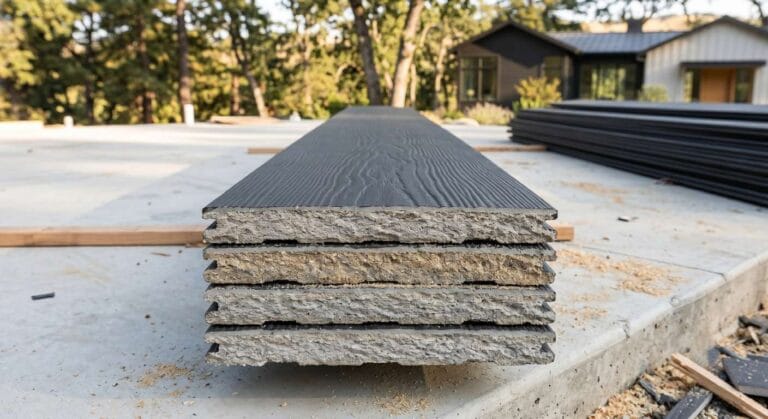
To truly understand why fiber cement siding performs so brilliantly in extreme weather, you have to look closely at its manufacturing recipe. Unlike pure plastics or milled natural woods, cement siding is a highly engineered composite material designed specifically to solve the frequent failures of traditional cladding.
The primary ingredients are relatively simple, but their combination under extreme factory conditions is incredibly effective:
- Portland Cement: This is the core binding agent. It holds all the other ingredients together and gives the cement siding its legendary rock-solid strength and Class A fire resistance.
- Sand (Silica): Fine sand acts as the critical filler, adding massive volume, density, and resilience to the concrete boards. It ensures the panels are tough enough to withstand hail and flying debris.
- Water: Water is used to dissolve the wood pulp and activate the Portland cement, allowing the mixture to cure, harden, and solidify into rigid boards.
- Cellulose Fibers: These microscopic wood fibers act as the vital internal reinforcement within the rigid cement matrix. They give the concrete siding necessary flexibility, ensuring that the heavy boards won’t simply shatter on impact.
When these ingredients are pressed together under intense heat and massive pressure in a manufacturing facility, they form incredibly dense, durable fiber cement siding panels. This highly specialized curing process creates siding that can easily withstand the absolute harshest climates, from blistering sun to freezing winter storms.
The Unmatched Benefits of Cement Siding Materials
Why do top-tier architects, designers, and high-end luxury builders consistently specify fiber cement siding over other alternatives? It all comes down to a few critical performance factors that actively protect your property.
1. Complete Pest and Moisture Immunity
When comparing the pros and cons of engineered wood siding and traditional wood siding, long-term moisture management is always the biggest headache for homeowners. Wood naturally swells when wet, rots over time, and attracts highly destructive pests like subterranean termites and carpenter ants. Cement siding, however, is completely and totally impervious to these organic threats. Furthermore, it will not swell, buckle, or delaminate when exposed to heavy rain or high seasonal humidity.
2. Ultimate Fire Protection
If you live in a region prone to devastating seasonal wildfires, upgrading to fire resistant siding is a crucial safety step. Because fiber cement siding is composed primarily of sand and cement, it is entirely non-combustible. It will not ignite when exposed to a direct open flame, nor will it melt, drip, and expose your wall cavity like plastic vinyl. Many major homeowners’ insurance companies even offer significant premium discounts for homes wrapped in concrete siding, recognizing it as a top-tier protective shield that hardens the home against flying embers.
3. Exceptional Longevity
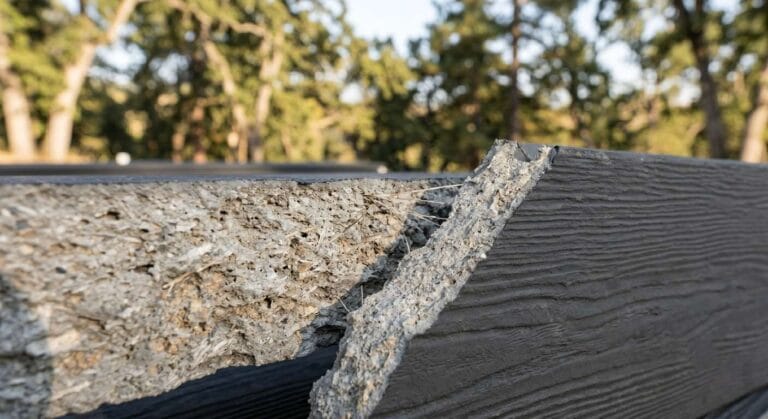
When properly installed by certified professionals, fiber cement siding is designed to last a lifetime. While other materials rapidly degrade, become brittle, or fade under harsh UV rays, cement siding remains perfectly dimensionally stable. It does not expand and contract wildly with extreme temperature shifts. You can confidently expect 30 to 50+ years of highly reliable weather protection from a high-quality fiber cement siding house.
Comparing Cement Siding Materials to Vinyl and Wood Alternatives
How does this heavy-duty material stack up against the other major players on the exterior market? Let’s take a comparative look to understand the true value proposition.
1. Fiber Cement vs. Vinyl Siding
Vinyl is undeniably cheaper upfront. For homeowners working on a very strict budget, exploring insulated vinyl siding can be a smart, cost-effective move to immediately improve a home’s energy efficiency. However, when you compare the overall vinyl siding life expectancy (which is typically 20 to 30 years before it becomes brittle) to fiber cement (which boasts 50+ years), cement easily wins the long-term lifetime value contest.
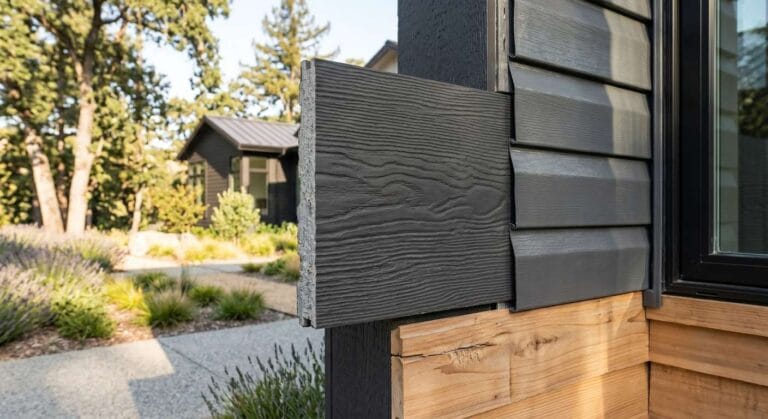
Additionally, aesthetics play a massive role. When discussing modern vinyl siding colors, standard plastic panels can severely warp, buckle, or melt if painted dark, heat-absorbing shades like true black, deep charcoal, or navy blue. Conversely, fiber cement siding can hold the darkest, most dramatic, and highly saturated colors perfectly without warping under the intense thermal load of the summer sun.
2. Fiber Cement vs. Composite and Natural Wood
While exploring the different types of composite siding available today will yield some excellent, low-maintenance synthetic options, they often carry a much higher premium luxury price tag than cement. On the other hand, traditional natural wood is breathtakingly beautiful but requires constant scraping, staining, and painting every few years. Cementitious board siding bridges this gap perfectly. It offers the gorgeous, deep grain texture of real cedar but demands a mere fraction of the exhausting maintenance.
Styling Cement Siding Materials
One of the greatest, most celebrated advantages of fiber cement siding is their incredible, chameleon-like design flexibility. The raw material is cast in heavy molds that perfectly capture the exact texture of rough-sawn natural wood or smooth contemporary stucco.
1. Lap Siding
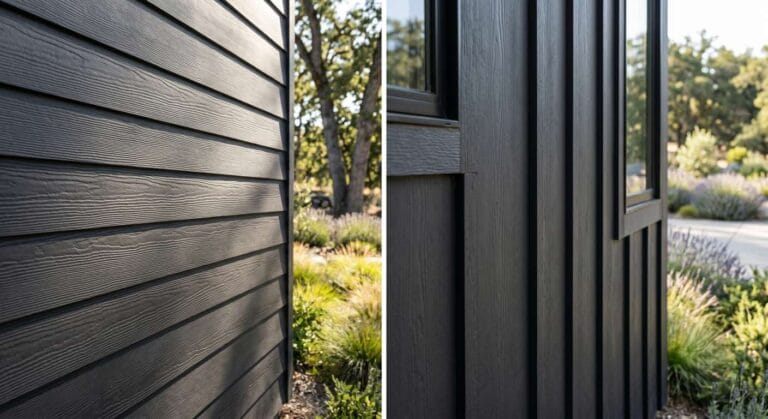
If you are new to exterior design and wondering exactly what lap siding is, it is the classic, highly traditional profile of long, horizontal boards overlapping each other from the bottom up. Concrete siding boards execute this heritage look flawlessly, offering crisp, perfectly straight shadow lines that will never visibly bow or cup over time.
2. Board and Batten Siding
If your personal design tastes lean heavily toward the incredibly popular modern farmhouse aesthetic, you will definitely want to explore board and batten siding details. This striking vertical orientation uses wide, flat panels separated by thin vertical strips to draw the eye upward, making the home look much taller. Because cement siding is incredibly rigid and heavy, it creates a perfectly flat, clean board and batten facade that looks incredibly high-end and custom-built.
3. Hardie Light Mist
Color choices are also practically infinite. Factory-finished, baked-on colors resist fading for decades longer than field-applied paint. Whether you want a bold, dramatic charcoal or a soft, coastal, breezy tone like hardie light mist, the color retention and vibrancy on these boards are visually spectacular.
The Cost and Installation Realities
While the functional and aesthetic benefits are undeniably massive, it is critically important for homeowners to understand the logistical realities of upgrading to a fiber cement siding house.
Because the material is exceptionally dense and incredibly heavy. A single 12-foot lap board can weigh well over 30 pounds, and installation is absolutely not a DIY weekend project for a hobbyist. The installation requires a highly specialized, trained professional crew. Cutting these thick boards generates dust that requires strict safety gear, specialized tools, and precise, code-compliant fastening techniques. Installers must hit the structural wall studs dead-on to ensure the heavy siding hangs securely on your home’s structural framing for decades.
Financially, you should expect to pay a noticeable premium over standard vinyl siding. Depending on your region, fiber cement typically costs between $6 to $12 per square foot installed. However, because you won’t be paying out-of-pocket for frequent dry rot repairs, warped plastic panel replacements, or constant whole-house repainting, the total 30-year cost of ownership for fiber cement siding is actually lower than many seemingly “cheaper” alternatives. It is a true, long-lasting investment that significantly boosts your home’s resale value and neighborhood curb appeal.
The Bottom Line
If you want an exterior renovation that forces you to constantly compromise, trading rugged durability for pretty aesthetics, or sacrificing vital fire safety for a rock-bottom price, there are plenty of options available on the market.
But if you demand the absolute best, uncompromising protection for your family, a stunning architectural finish that won’t fade or rot, and the profound peace of mind that comes with a non-combustible exterior shell, then fiber cement siding is the undisputed champion. It has the power to transform an ordinary suburban property into a fortified, luxurious estate that is built to stand the test of time.
Ready to dramatically upgrade your home’s defense and totally revolutionize its curb appeal? Don’t leave your biggest investment exposed to the elements. Contact Sidex today, your local siding installation experts for a free, expert consultation, and let’s explore the beautiful, lasting possibilities of modern cement siding for your next major renovation.