

Table of Contents
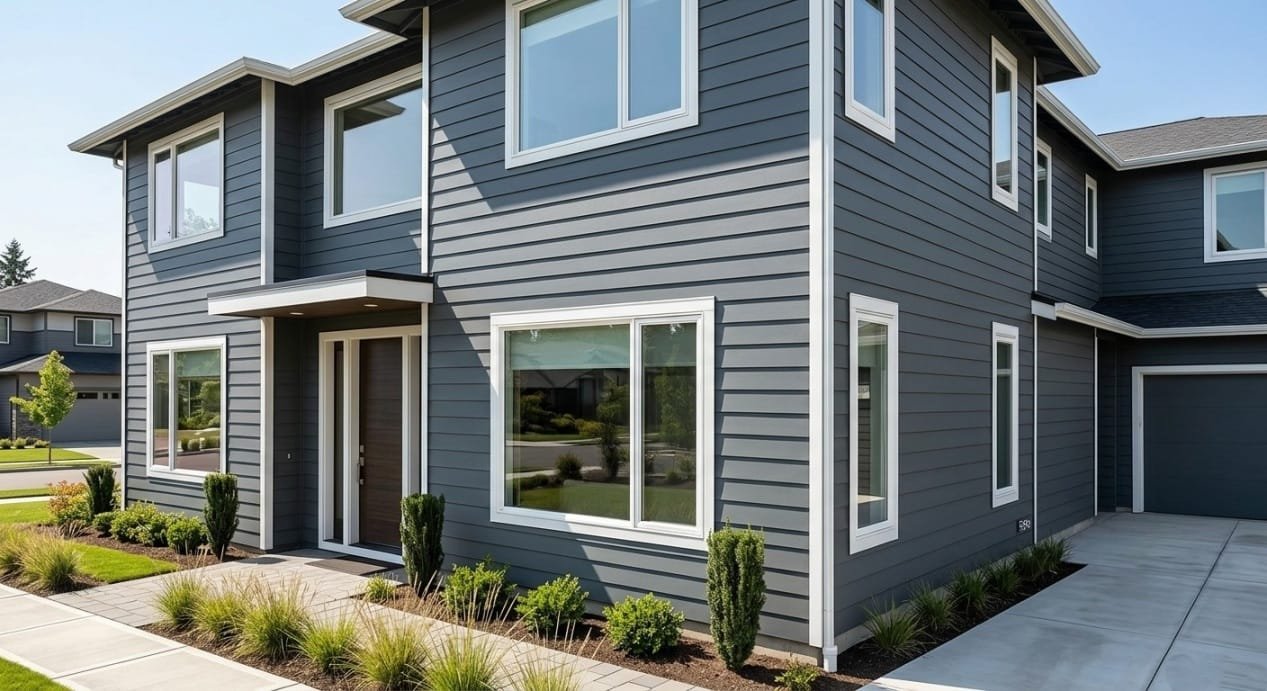
When driving through almost any neighborhood, you are surrounded by a specific architectural feature without even realizing it. The long, horizontal planks that wrap effortlessly around historic Colonial builds and modern suburban developments alike have defined residential exteriors for centuries.
If you are beginning a renovation and researching the best siding for a house, contractors will inevitably bring up this classic profile. But you might find yourself quietly wondering: exactly what is lap siding, and why is it so incredibly popular?
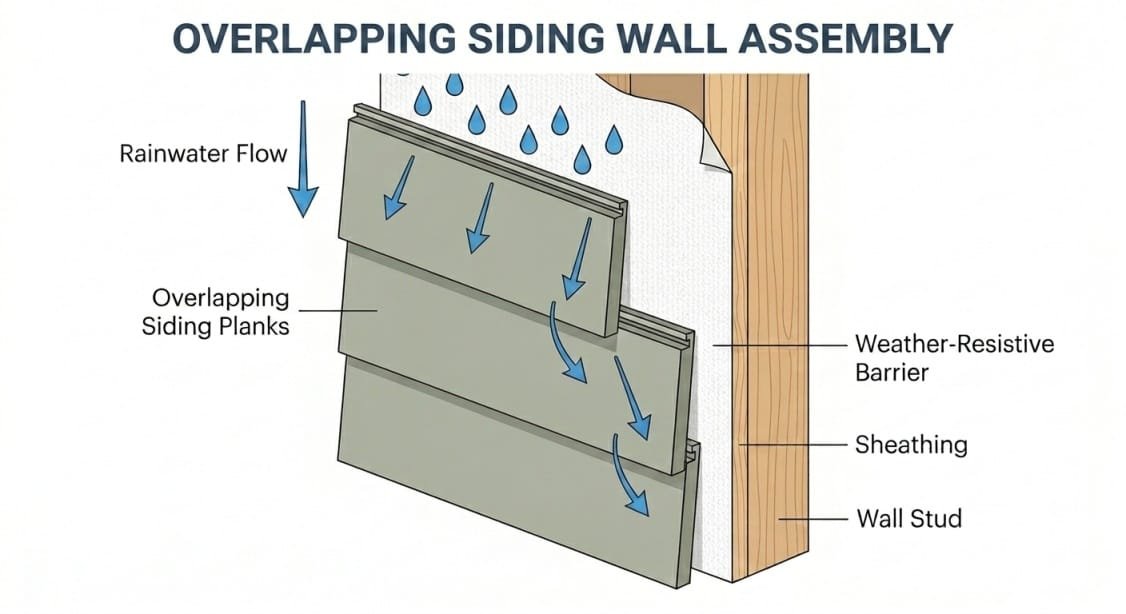
Unlike vertical panels or heavy masonry, lap siding relies on a brilliant, simple mechanism. Each horizontal board overlaps the one below it, creating a cascading effect that naturally sheds rainwater away from your home’s structural framing. Let’s explore the deep nuances of this iconic lap siding exterior, uncover the different profiles available, and analyze the materials that make up modern installations.
What is Lap Siding?
At its core, the definition is all in the name. It refers to a cladding installation method where each individual siding lap board literally overlaps the course beneath it. This overlap acts like a tiny awning for the board below, creating a highly effective weather-tight barrier against wind-driven moisture.
While it sounds straightforward, the sheer variety of lap siding styles allows you to dramatically alter your home’s personality. Whether you want the crisp, tailored lines of a historic remodel or a sleeker, contemporary facade, finding the right profile changes everything.
Exploring the Core Lap Siding Types
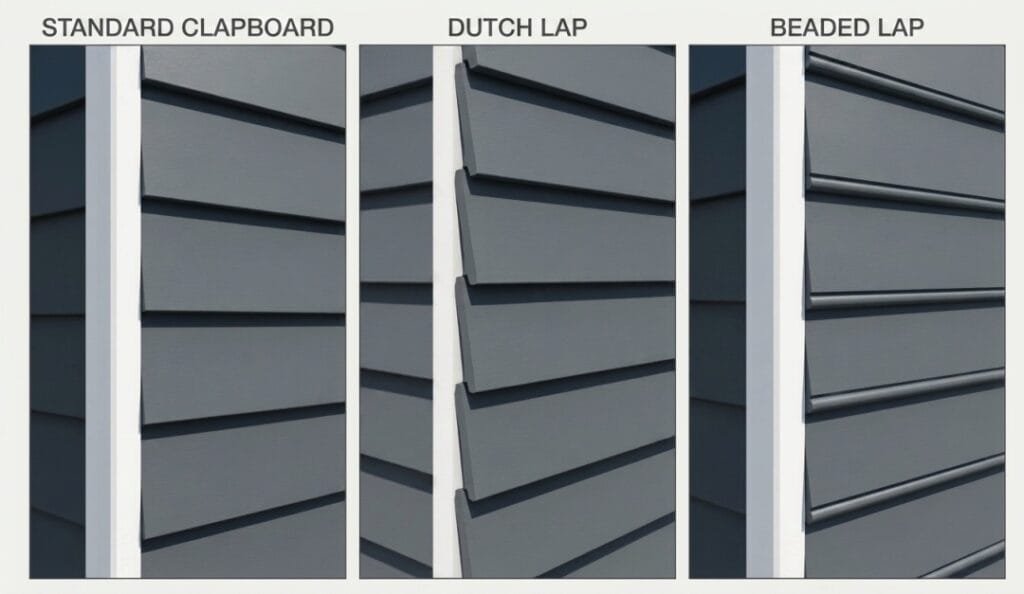
Not all overlapping boards look the same. Manufacturers mill these planks into distinctly different shapes, casting different shadows across your house lap siding. Here are the most prominent profiles you will encounter:
1. Traditional Clapboard and Straight Lap Siding
Often just called traditional or classic lap, clapboard is a wedge-shaped plank that is thicker at the bottom and tapers to a thin edge at the top. The top edge tucks under the thicker bottom of the board above it, producing a clean, subtle shadow line. It is the gold standard of lap siding for houses, bringing timeless curb appeal that never feels dated.
2. Dutch Lap
If you want your exterior walls to have a deeper visual texture, Dutch lap adds a distinctive concave curve or notch along the top edge of each board. This creates a much sharper, pronounced shadow line than standard clapboard. It looks fantastic on split-levels and adds a much-needed dimension to flat-faced architecture.
3. Beaded Lap
For a touch of Southern charm or Victorian elegance, beaded profiles feature a rounded, decorative ridge (the “bead”) running along the bottom edge of the board. This creates a highly dynamic shadow and a slightly more formal, decorative appearance compared to standard planks.
What is Lap Siding Made of?
The profile you choose is only half the battle. The actual longevity of your lap siding exterior depends entirely on the material you select. Today’s building industry offers incredible diversity.
1. Classic Timber
Real timber offers unmatched, authentic warmth. Traditional wood siding is breathtakingly beautiful, but it requires a strict regimen of painting and sealing to prevent rot and pest damage.
2. Modern Plastics
If you are working with a strict budget, exploring insulated vinyl siding is a smart move. It requires zero painting and installs incredibly fast.
Historically, standard plastics would melt or warp in the sun if painted dark colors, but today’s advanced materials utilize UV-reflective acrylics to hold deep, moody tones securely. While you should always verify the specific vinyl siding life expectancy of the brand you buy, modern plastics easily survive decades of weather.
3. Engineered Blends
If you love the authentic density of real wood but want fewer weekend chores, analyzing engineered wood siding is vital. These panels compress wood strands with resins to fight off moisture and insects.
Similarly, researching the different types of composite siding yields incredible cellular PVC and polymer boards that are 100% waterproof and incredibly impact-resistant.
4. Fiber Cement Lap Siding
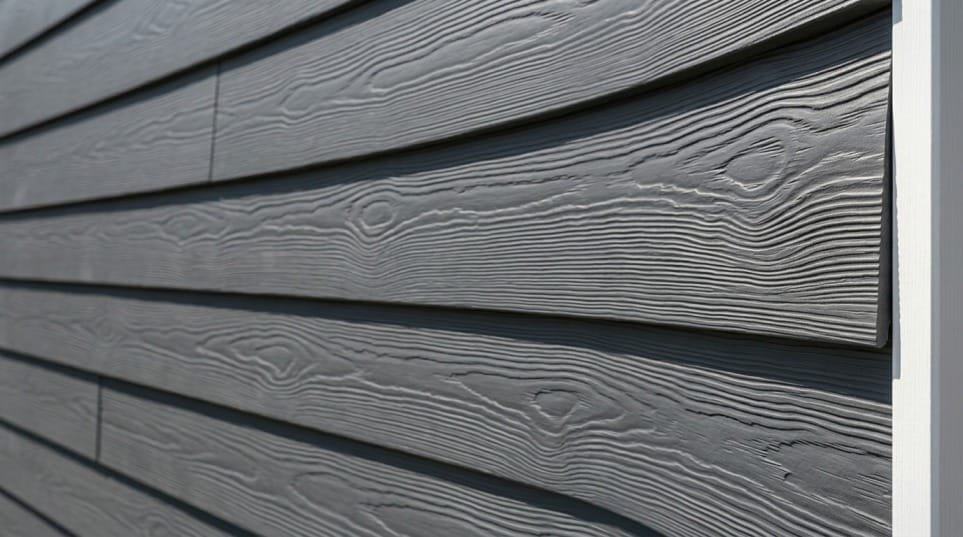
For homeowners who refuse to compromise on durability, cementitious board siding is the undisputed king. Built from a matrix of sand, water, and cellulose fibers, these dense cement siding materials perfectly mimic the deep texture of rough-sawn cedar without the risk of termite damage or rot.
Most importantly, fiber cement provides an unmatched fire resistant siding shield. It will not ignite or melt, making it mandatory for builds in strict wildfire zones. Factory-painted finishes on these boards are visually stunning; you can select bold charcoals or breezy coastal tones like hardie light mist knowing the color will resist fading for years.
Comparing Profiles: Horizontal vs. Vertical
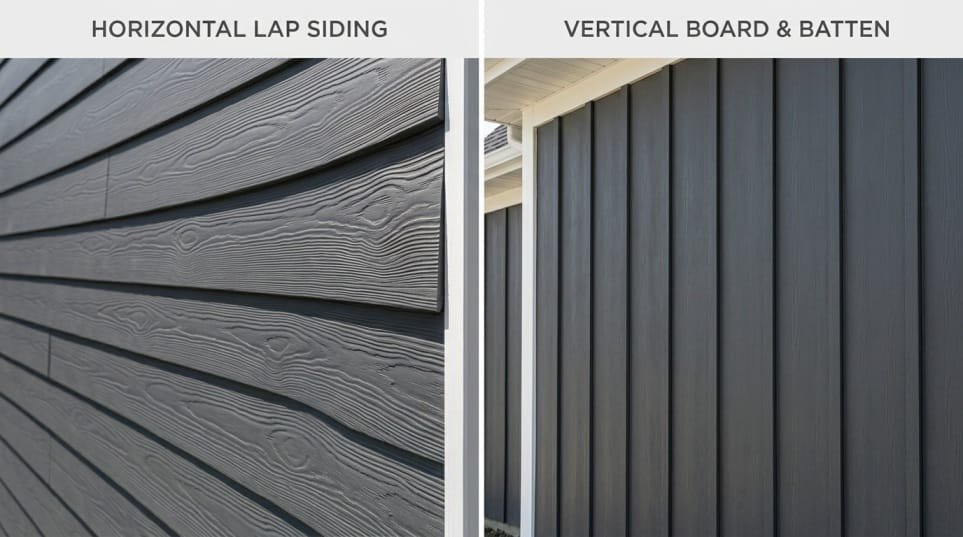
If you aren’t completely sold on horizontal planks, you might consider flipping the orientation. Looking closely at board and batten siding reveals a striking vertical layout where wide panels are separated by thin vertical strips.
Vertical orientations naturally draw the eye upward, making a single-story property look much taller and stately. However, the horizontal orientation of a classic lap siding exterior is far more efficient at shedding heavy, driving rain simply due to gravity pulling the water down across the overlapping joints.
The Bottom Line
Choosing the right cladding is an exercise in balancing budget, maintenance, and neighborhood aesthetics. The overlapping design of lap siding has remained the dominant choice in American architecture for centuries because it simply works. It protects your structural framing from devastating moisture while delivering clean, familiar, and welcoming curb appeal.
Whether you opt for budget-friendly vinyl, rugged engineered wood, or fireproof fiber cement, understanding the subtle lap siding details ensures you pick a profile that elevates your property’s character and defends your family for decades to come.
Ready to transform your home’s curb appeal? Contact Sidex, your premier siding and deck contractors, for a completely free, honest consultation today.