

Table of Contents
Vinyl siding is popular for a reason: it’s affordable, comes in a wide range of styles, and doesn’t need regular painting. But it won’t last forever. If you’re comparing the best siding for a house, its expected lifespan is an important part of the decision. Our guide to choosing the best siding material breaks down the main options.
So, how long does vinyl siding last? Most vinyl siding lasts around 20–40 years, depending on its quality, installation, exposure to sunlight, and upkeep. Here’s how to tell whether yours still has years left or is approaching replacement time.
What Is the Average Vinyl Siding Lifespan?
The typical vinyl siding lifespan is about two to four decades. Some installations last longer, while others deteriorate sooner because of poor installation, harsh exposure, or physical damage.
There isn’t a single expiration date. Two homes with similar siding can age very differently depending on how the panels were installed, the product itself, and the conditions around them.
5 Factors That Affect How Long Vinyl Siding Lasts
1. Installation Quality
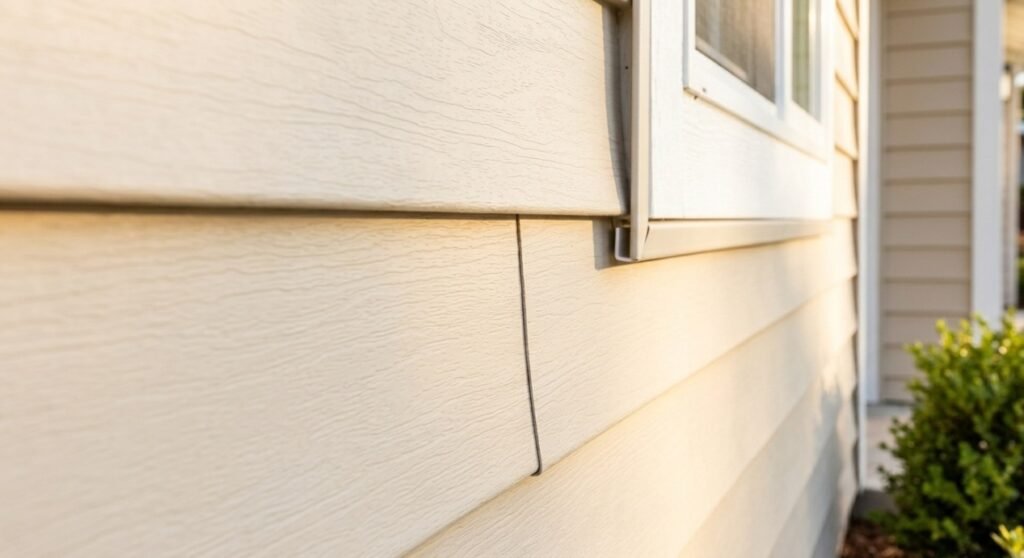
Vinyl expands and contracts as temperatures change. Panels need to be fastened correctly, with enough room to move. If they’re installed too tightly, they can buckle or distort. Poor flashing and improperly finished joints can also allow water to reach the underlying wall.
2. Sunlight and Temperature
Long periods of direct sunlight can gradually fade vinyl. Darker colors may absorb more heat, and excessive heat from nearby grills or reflected sunlight can distort panels. Climate, orientation, and product specifications all affect performance.
3. Impact and Storm Damage
Hail, flying debris, falling branches, and accidental impacts can crack or puncture panels. A damaged section may be repairable, but repeated impacts across multiple walls can make replacement worth considering.
4. Water Behind the Panels
Vinyl itself doesn’t rot, but the wood underneath it can. Damaged panels, poorly detailed windows, or failed flashing can allow moisture to reach the sheathing and framing. This is why a siding inspection should look beyond the visible surface.
5. Maintenance
Vinyl is low-maintenance, not maintenance-free. Periodic cleaning and inspections help you spot loose panels, cracks, gaps, and changes in appearance before they become larger concerns.
Does Vinyl Siding Fade Over Time?
Yes, vinyl siding can fade over time. Sunlight and weather gradually affect its color, although the rate varies by product, color, and exposure.
Some fading is cosmetic and doesn’t mean the siding has failed. However, widespread fading combined with brittleness, cracking, or warped panels may indicate that the material is aging.
If you like the look of vinyl but want added rigidity and insulation, compare and choose the best siding material for your house carefully. Insulated products have a foam backing, but they still need correct installation and won’t eliminate every source of heat loss.
6 Signs Your Vinyl Siding May Need Replacement
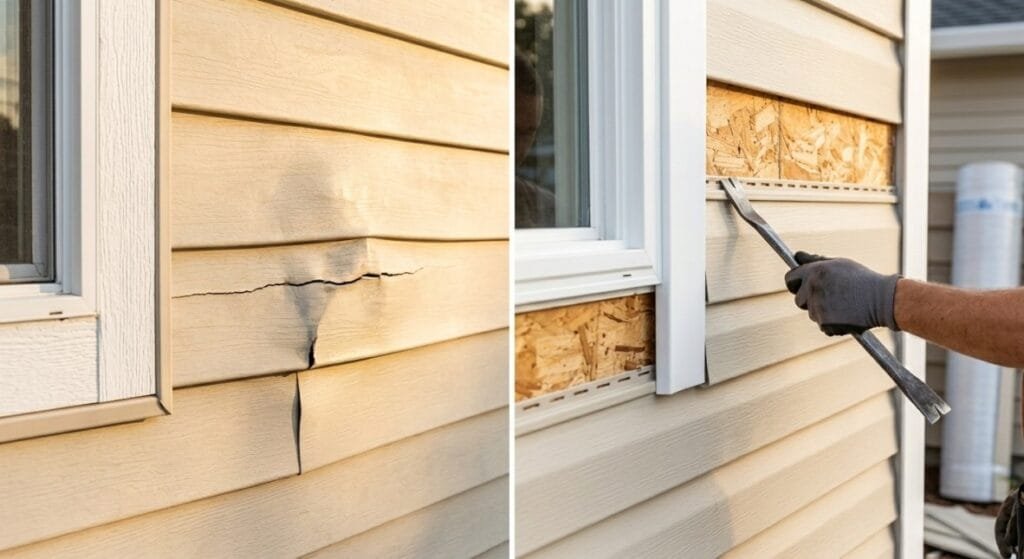
Age alone doesn’t tell the whole story. Watch for these warning signs:
- Cracked or brittle panels: Repeated cracking can suggest deterioration or impact damage.
- Warping or buckling: Panels may have been fastened incorrectly or exposed to excessive heat.
- Loose or missing sections: These can leave parts of the exterior more vulnerable to weather.
- Persistent moisture problems: Rot, mold, or damaged sheathing behind the siding requires attention.
- Widespread fading: Significant color changes across the exterior may make replacement worth considering, especially alongside physical damage.
- Repeated repairs: If different sections keep failing, replacing the siding may be more practical than patching it again.
How to Extend Vinyl Siding Longevity
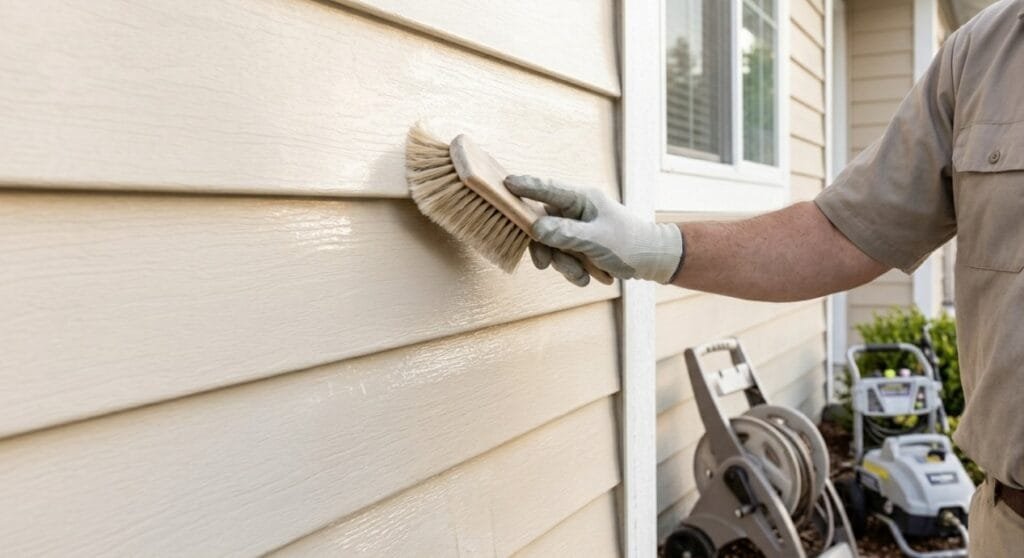
A few sensible habits can help preserve your siding:
- Clean it gently: Use a soft brush, water, and a suitable cleaning solution. Follow the manufacturer’s instructions.
- Inspect it annually: Check corners, seams, trim, and areas around windows and doors.
- Look after drainage: Keep gutters functioning properly so water doesn’t repeatedly spill over exterior walls.
- Trim nearby branches: Prevent branches from scraping the panels or causing impact damage.
- Address damage early: Replace cracked or missing panels and investigate signs of moisture instead of covering them up.
These steps support the durability of vinyl siding, but they cannot reverse advanced deterioration or correct underlying installation problems.
How Often Does Vinyl Siding Need to Be Replaced?
There’s no fixed schedule for how often vinyl siding needs to be replaced. A well-installed system may last several decades, while damaged siding may need attention much earlier.
If you’re deciding how often to replace vinyl siding, consider three things: the extent of the damage, whether moisture has affected the wall beneath it, and how frequently repairs are becoming necessary.
A few damaged panels may only require a targeted repair. Widespread cracking, recurring moisture problems, or extensive deterioration may justify a full replacement. A professional assessment can help establish which option makes sense for your home.
How Does Vinyl Compare With Other Siding Materials?
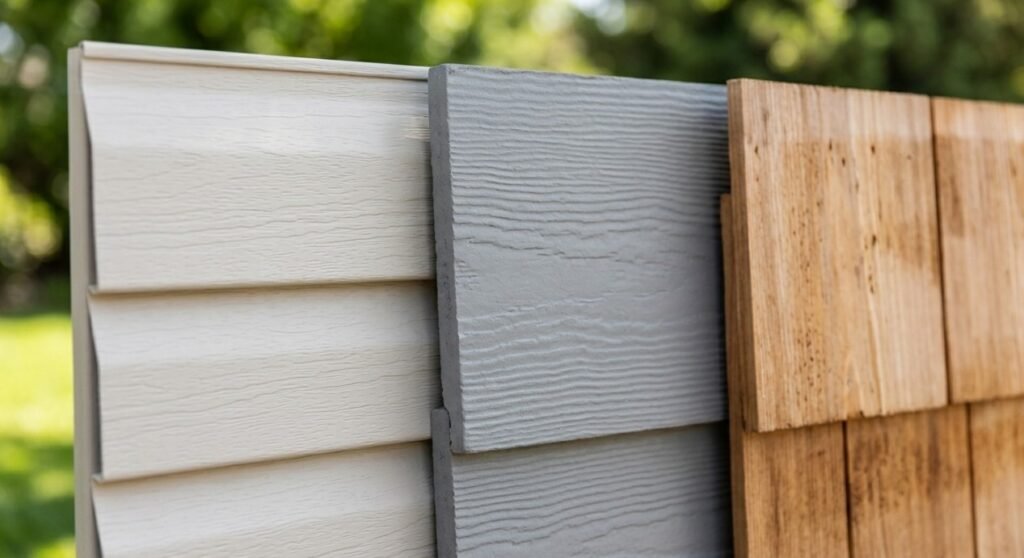
Vinyl is only one option when evaluating siding lifespan and long-term value. You should be evaluating multiple factors when choosing the best siding material for a house. Initial cost, maintenance, repairability, climate exposure, and the material’s performance all matter.
For example, wood siding requires regular attention to its finish and moisture protection. Engineered wood has its own installation and maintenance requirements, while fiber cement offers a different combination of durability, appearance, and fire performance. The life cycle of insulated vinyl siding also depends on the complete installation, including the wall assembly and moisture management.
How Does Vinyl Compare With Other Siding Materials?
Vinyl siding can protect and finish a home for decades, but cracked panels, distortion, and moisture problems shouldn’t be ignored. If your siding is aging or needs frequent repairs, Sidex can help you assess the exterior and consider your replacement options.
The right next step starts with understanding what’s failing, what can be repaired, and which material makes sense for your home.
Ready to transform your home’s exterior? Contact Sidex today for a free, comprehensive consultation. As siding contractors you can trust, we will help you select, design, and install a beautiful, durable exterior that you will be proud of for decades to come.