

Table of Contents
If your home is in a wildfire-prone area, choosing siding involves more than color and curb appeal. The right exterior materials can help reduce vulnerability to embers and flames, but no siding makes a house completely fireproof. When comparing the best siding for your home, consider combustibility, installation details, and how the entire exterior works together.
Here’s what homeowners should know about the leading fire-resistant siding materials and how to compare their real-world benefits.
What Is Fire Resistant Siding?
Fire resistant siding is designed to resist ignition, withstand heat, or slow fire spread better than more combustible alternatives. Its performance depends on the material, product testing, installation, and the wall assembly behind it.
You may see products described as fireproof siding, but “fireproof” can be misleading. Even noncombustible materials can eventually transfer enough heat to damage underlying components during prolonged exposure.
It’s also important to distinguish between noncombustible materials and ignition-resistant products. The former do not readily burn; the latter have been tested or treated to improve their resistance to ignition under specified conditions.
What Are the Best Fire Resistant Siding Options?
The most suitable material depends on your home’s location, budget, appearance, and local building requirements. Here are the main fire resistant siding options to consider.
1. Fiber Cement Siding
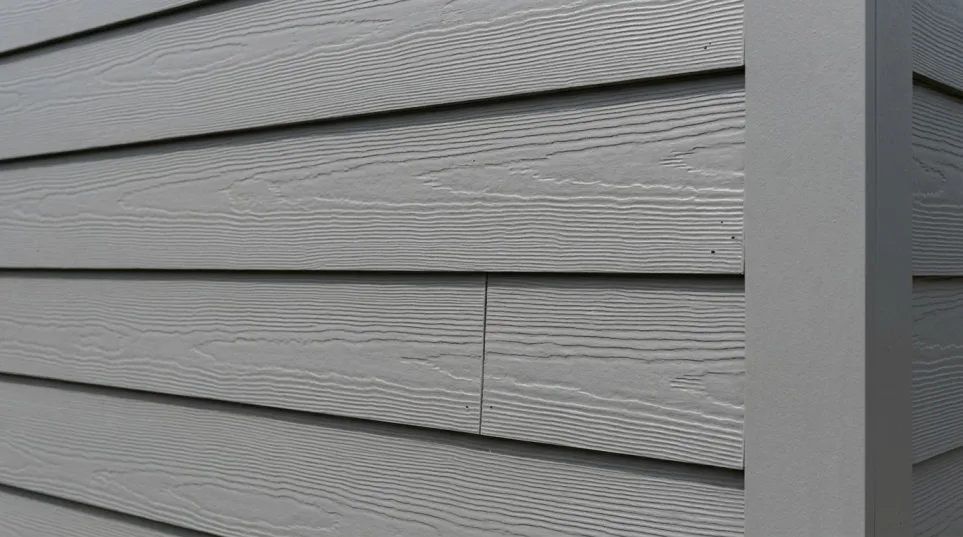
Fiber cement is a popular choice for homeowners seeking durability and fire resistance. Made from cementitious materials and reinforcing fibers, it can replicate the look of traditional wood siding without using a combustible wood core.
Is fiber cement siding fire resistant? Yes. Fiber cement products generally offer strong fire performance, and specific products may qualify as noncombustible under applicable standards. Always verify the manufacturer’s documentation for the product you select.
Homeowners comparing fiber cement siding fire resistant products should check the product’s tested performance, installation requirements, and any local code requirements.
2. Stucco
Is stucco fire resistant? Traditional cement-based stucco is generally noncombustible, making it a strong option for fire-conscious exterior design. However, stucco is an exterior finish system, and its performance depends on the complete assembly, substrate, and installation.
It can suit a range of architectural styles, but repairs and texture matching may require experienced workmanship.
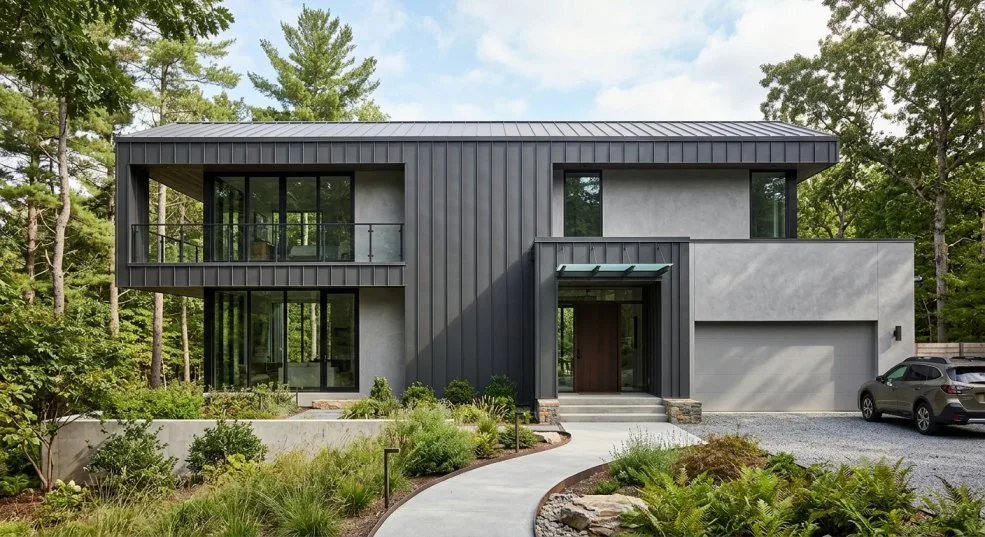
3. Metal Siding
Steel and aluminum are noncombustible siding materials. They won’t provide fuel for flames in the same way wood or plastic siding can.
However, metal can deform under intense heat, and that deformation may expose combustible materials behind it. Consider the complete wall assembly rather than assuming the metal surface alone guarantees protection.
4. Brick and Stone
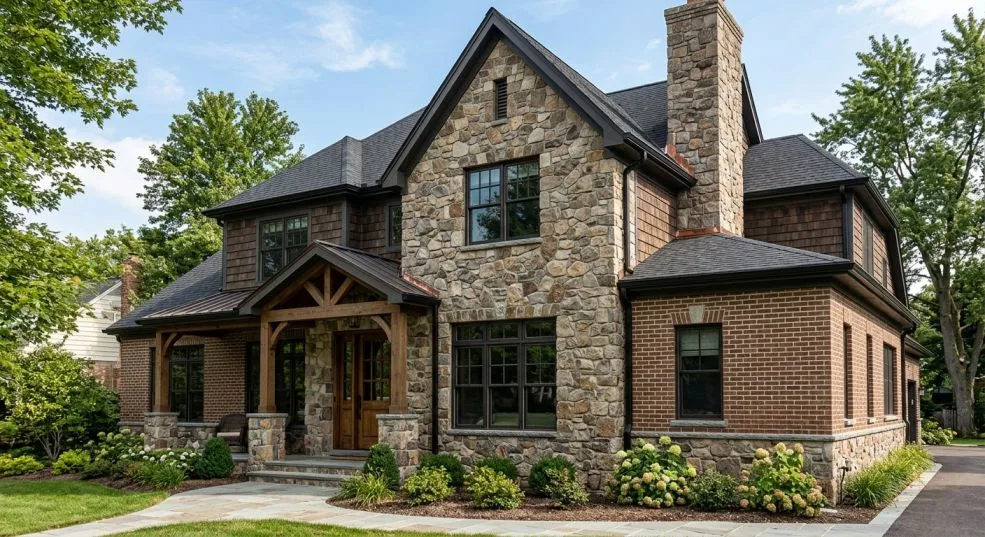
Brick and stone are noncombustible and can provide excellent resistance to direct flame exposure. They also offer a distinctive, long-lasting exterior.
The trade-offs are cost, weight, structural requirements, and the complexity to replace siding with brick. A masonry veneer must still be detailed correctly to manage water and protect the structure behind it.
Is Vinyl Siding Fire Resistant?
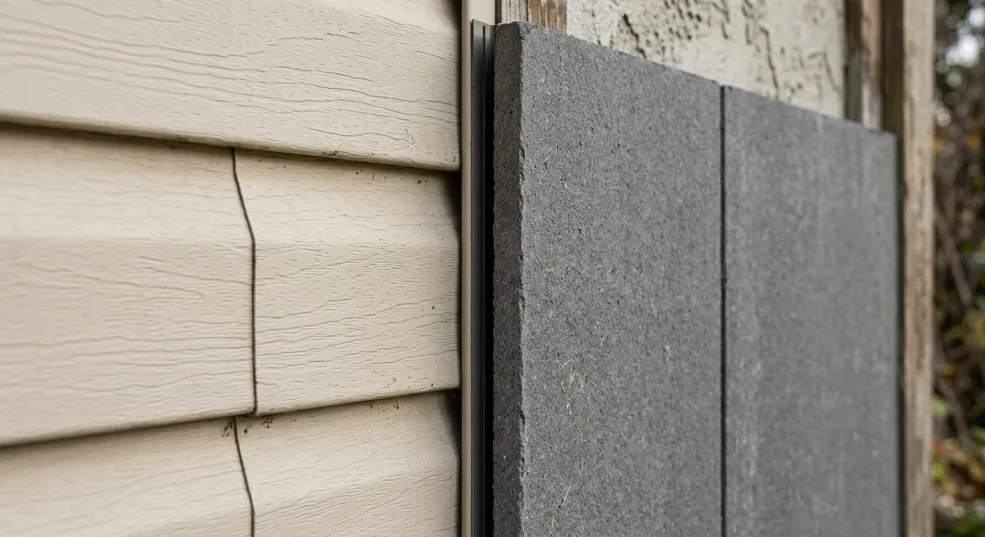
Vinyl siding is combustible plastic. Although it can resist some everyday environmental conditions, high heat may cause it to soften, warp, or melt.
That means fire resistant vinyl siding and heat resistant vinyl siding should not be treated as interchangeable with noncombustible siding. Vinyl products may have specific fire-performance characteristics, but they are not equivalent to fiber cement, metal, or traditional stucco in combustibility.
Likewise, fire retardant siding is not a universal product category. Treatments and coatings can improve certain fire-performance characteristics, but homeowners should verify independent testing and exterior-use suitability rather than relying on marketing language.
If wildfire exposure is a major concern, compare the actual product specifications and local requirements before choosing vinyl.
What Does a Class A Fire Rating Mean?
A Class A fire rated siding claim needs context. Class A commonly refers to a flame-spread classification under a specified test; it does not automatically mean that an entire exterior wall can withstand a wildfire.
Check which test was performed, whether the rating applies to the individual product or an assembly, and whether the documentation matches your intended installation.
The top-rated siding options for fire zones are not determined by a label alone. Local codes, wildfire exposure, installation details, and the complete exterior system all matter.
Is Hardie Board Fire Resistant?
Certain James Hardie fiber cement products are classified as noncombustible under applicable standards. Fiber cement is generally a strong option for fire-conscious homes, but always check the documentation for the specific product and installation.
When comparing non combustible siding materials, don’t overlook the details: joints, trim, openings, and the materials behind the siding all affect how the exterior performs.
How to Choose Fire Resistant Siding
Before deciding on fire resistant siding, consider these practical steps:
- Check local requirements. Homes in designated wildfire areas may be subject to specific material and construction standards.
- Inspect existing siding. Gaps, holes, and rot can create vulnerabilities, even when the surrounding material is relatively fire resistant.
- Consider the entire exterior. Roof edges, vents, windows, decks, and nearby vegetation can also influence wildfire vulnerability.
- Choose the right installation. Proper clearances, flashing, joints, and fastening matter as much as selecting a suitable product.
Choose Siding That's Durable & Safe
The right siding should suit your home’s appearance, maintenance needs, and exposure to fire. Fiber cement, stucco, metal, brick, and stone offer noncombustible options, while other materials have different limitations.
A knowledgeable siding contractor can help you compare products, review installation requirements, and identify vulnerable areas before work begins. A thoughtful material choice, proper installation, and broader home-hardening measures work together to improve your home’s resilience.
Ready to transform your home’s exterior? Contact Sidex today for a free, comprehensive consultation. As your local siding contractors, we will help you select, design, and install a beautiful, durable exterior that you will be proud of for decades to come.